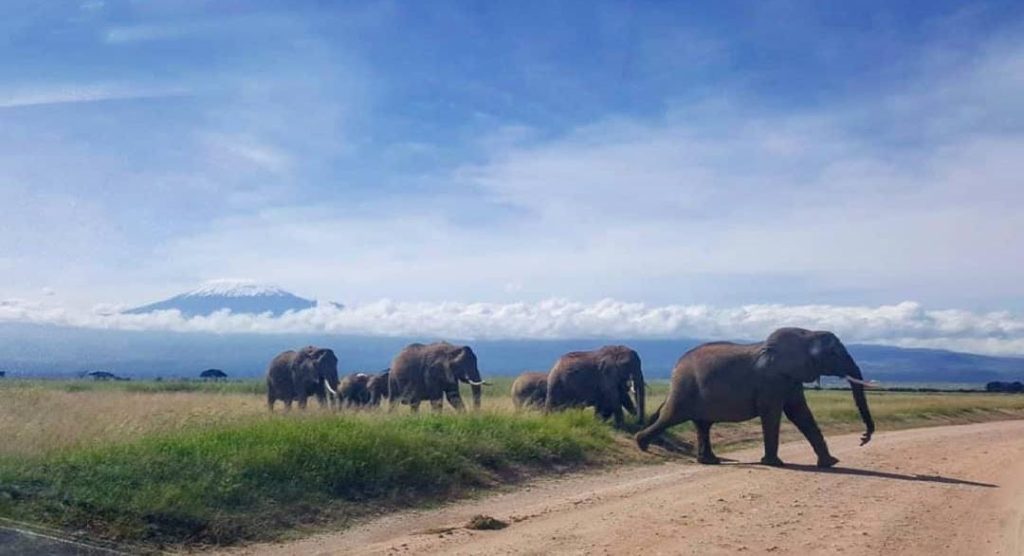
Anti-Tourism Travel in Kenya: 16 Crowd-Free Safaris & Beaches
Mass tourism is facing a massive global backlash. Travelers are actively seeking alternatives to overcrowded, high-density destinations to minimize their environmental and social footprints. Discover the rise of anti-tourism travel in Kenya. Avoid overtourism with our guide to 16 exclusive, low-impact private safaris, conservancies, and beaches. By choosing these 16 protected ecosystems, your travel spend directly funds community land leases, local schools, and vital anti-poaching operations.
If you want to experience the country’s breathtaking wildlife and pristine beaches without the crowds, mini-buses, and environmental strain, embracing a mindful strategy for anti-tourism travel in Kenya is your ultimate blueprint.
What is Anti-Tourism Travel?
Anti-tourism travel—often referred to as mindful travel, tourism degrowth, or regenerative tourism—is a conscious travel movement that opposes mass tourism, overtourism, and the commercial exploitation of destinations. Instead of ticking off hyper-commercialized tourist traps, travelers practicing anti-tourism travel in Kenya intentionally seek out low-impact, crowd-free alternatives that benefit the host nation.
The primary goals of this travel philosophy are to:
-
- Minimize Footprint: Reduce environmental damage, plastic waste, and vehicular congestion in delicate ecosystems.
- Support Local Communities: Bypass corporate booking giants and massive foreign-owned resorts so money flows directly into local pockets.
- Protect Wildlife Habitat: Fund strictly regulated sanctuaries that put wildlife welfare and habitat restoration ahead of tourist entertainment.
- Seek Authenticity: Prioritize raw, peaceful, and unscripted cultural or nature experiences over manufactured tourist itineraries.
🧭 The Laikipia Plateau & Northern Frontier
Far away from the bumper-to-bumper vehicle tracks of high-density parks, northern and central Kenya offer vast, exclusive landscapes. These regions are primary destinations for anyone organizing an anti-tourism travel in Kenya itinerary, as conservation and community development take absolute priority here.
Solio Ranch
A private, world-renowned sanctuary recognized as a cradle for rhino conservation. It houses one of the most successful breeding programs for both black and white rhinos in East Africa.
-
- Key Attractions: Unmatched, up-close encounters with massive crashes of black and white rhinos; thrilling nocturnal night game drives to watch lions and leopards hunt.
- Popular Accommodation: Solio Lodge (The Safari Collection) (the only luxury lodge inside the reserve); Rhino Watch Safari Lodge (located just outside the gates).
Laikipia Conservancy
A massive patchwork of private and community-owned lands that champions a unique co-existence model between traditional pastoralist communities and free-roaming wildlife.
-
- Key Attractions: Tracking the rare African wild dog on foot; horseback or camel-back safaris across the rugged savannah; community-led rangeland tours.
- Popular Accommodation: Segera Retreat (ultra-luxury, eco-focused sanctuary); Mugie House (Governors’ Camp) (sustainable ranch-style luxury).
Lewa Conservancy
A globally acclaimed UNESCO World Heritage site that serves as a safe haven for the endangered Grevy’s zebra and serves as a strict blueprint for community-led conservation.
-
- Key Attractions: Seeing the “Big Five” alongside the world’s largest single population of Grevy’s zebras; walking safaris guided by indigenous rangers; visiting the advanced conservation headquarters.
- Popular Accommodation: Lewa Wilderness (one of Kenya’s oldest, most intimate family safari homes); Sirikoi Lodge (award-winning, eco-chic luxury tents).
Meru National Park
A wild, rugged, and beautifully untamed paradise made famous by Joy Adamson’s Born Free. It features uncrowded roads, visual networks of rivers, and massive herds of elephants.
-
- Key Attractions: Exploring the expansive rhino sanctuary; bird watching with over 400 recorded species; visual tracking along 13 pristine, spring-fed rivers.
- Popular Accommodation: Elsa’s Kopje (Elewana) (built directly into the rocky hills above George Adamson’s original campsite); Rhino River Camp (quaint boutique tents bordering the park forest).
Samburu National Reserve
A starkly beautiful arid landscape home to the “Samburu Special Five”—rare species including the reticular giraffe and Somali ostrich, managed in close harmony with the indigenous Samburu people.
-
- Key Attractions: Spotting the Samburu Special Five (Grevy’s zebra, Somali ostrich, reticulated giraffe, gerenuk, and beisa oryx); exploring the banks of the brown Ewaso Nyiro River.
- Popular Accommodation: Elephant Bedroom Camp (intimate tents set directly along the riverbank); Sasaab Lodge (Moroccan-inspired luxury overlooking the wilderness).
Namunyak Wildlife Conservancy
Nestled in the spectacular Mathews Range, this community-owned sanctuary protects critical wildlife corridors and runs the famous Reteti Elephant Sanctuary, which is entirely managed by local keepers.
-
- Key Attractions: Visiting the community-run Reteti Elephant Sanctuary to see rescued elephant calves; hiking through the ancient, high-altitude Afromontane forests of the Mathews Range.
- Popular Accommodation: Sarara Camp (wholly community-owned luxury camp famous for its wildlife watering hole views); Sarara Treehouses (elevated tents built into the forest canopy).
🌾 The Greater Masai Mara Ecosystem (Private Conservancies)
The Masai Mara National Reserve can suffer from severe overtourism during the Great Migration. For travelers prioritizing ethical anti-tourism travel in Kenya, the surrounding private and community-owned conservancies offer an exclusive alternative. They enforce strict limits on guest numbers and vehicle counts, and ensure that all safari walks and night drives directly enrich the Maasai landowners.
Mara North Conservancy
A prime, sprawling wilderness bordering the main reserve that strictly limits land use to low-density eco-camps, ensuring minimal disruption to resident lion prides.
-
- Key Attractions: The dramatic Leopard Gorge (a vital predator nursery); world-class game viewing with a strict rule of no more than 5 vehicles per animal sighting.
- Popular Accommodation: Elephant Pepper Camp (classic, low-impact bush luxury); Karen Blixen Camp (eco-friendly luxury tents running on solar power).
Mara Naboisho Conservancy
Famed for having one of the highest densities of lions in Africa, this model conservancy directly supports hundreds of Maasai families through stable monthly land lease fees.
-
- Key Attractions: Exceptional walking safaris guided by local Maasai trackers; spectacular night game drives to view elusive nocturnal cats.
- Popular Accommodation: Naboisho Camp (Asilia Africa) (renowned for high-end guiding and eco-credentials); Eagle View Camp (perched high on an escarpment over a busy waterhole).
Ol Kinyei Conservancy
The very first conservancy established in the Mara ecosystem, strictly adhering to a rule of one guest tent per 700 acres to provide an unmatched, completely private safari experience.
-
- Key Attractions: Completely crowd-free wildlife viewing; beautiful rolling hills and open savannahs hosting resident cheetah coalitions.
- Popular Accommodation: Porini Mara Camp (authentic, small-footprint eco-camp); Porini Cheetah Camp (customized for serious wildlife photographers).
Olare Motorogi Conservancy
Offering pristine habitat for large predator populations, this area delivers world-class wildlife viewing with a strict cap on the number of vehicles allowed at any sighting.
-
- Key Attractions: Watching large lion prides interact; off-road driving privileges for spectacular, uninterrupted close-up photography.
- Popular Accommodation: Mahali Mzuri (Virgin Limited Edition) (Sir Richard Branson’s striking, futuristic luxury tents); Porini Lion Camp (solar-powered, canvas bush luxury).
Olderkesi Conservancy
Tucked away on the remote southeastern border of the Mara, this vital corridor protects crucial migration paths away from mainstream tourist tracks.
-
- Key Attractions: Total isolation away from the main reserve routes; guided tracking walks following the sand rivers bordering Tanzania.
- Popular Accommodation: Cottar’s 1920s Safari Camp (award-winning, vintage-style eco-luxury that runs deep conservation projects).
Ol Chorro Oyiroua Conservancy
A community-administered ranch focusing heavily on community education, local healthcare initiatives, and the close protection of white rhinos.
-
- Key Attractions: Visiting the closely monitored southern white rhino sanctuary; authentic educational cultural visits to uncommercialized Maasai villages.
- Popular Accommodation: Fairmont Mara Safari Club (luxury tents surrounded on three sides by the hippo-filled Mara River).
Lemek Conservancy
A stunning, low-impact wildlife area consisting of beautiful open savannah plains that offers exceptional, uncrowded wildlife photography opportunities.
-
- Key Attractions: Off-road driving to trace leopards and cheetahs in thick brush; walking safaris along the quiet, rolling plains.
- Popular Accommodation: Mara River Lodge (affordable value directly on the riverbend); Enkerende Tented Camp (ultra-intimate, low-bed-count safari camp).
Enonkishu Conservancy
Located on the northernmost edge of the Mara ecosystem, this forward-thinking project focuses on sustainable rangeland management and balancing cattle grazing with wildlife habitat restoration.
-
- Key Attractions: Learning about holistic livestock management alongside wildlife; climbing the scenic Ol Chorro escarpment for sweeping Mara views.
- Popular Accommodation: House in the Wild (boutique, family-owned lodge along the Mara River banks); Emboo River Camp (fully eco-certified, zero-emission safari camp).
Mara Siana Conservancy
A critical, community-owned buffer zone protecting ancient wildlife pathways from agricultural encroachment while creating sustainable tourism jobs for local youth.
-
- Key Attractions: Tracking massive herds of elephants passing through the valley migration corridor; thrilling night safaris to watch active nocturnal predators hunt.
- Popular Accommodation: Spirit of the Mara (luxury suites built directly into the hillside); Entumoto Safari Camp (private, secluded tents tucked into a natural valley).
Ripoi Conservancy
One of the newest community-led conservation wins in the region, successfully pulling together small, private Maasai land plots to create a contiguous, safe haven for wildlife.
-
- Key Attractions: Undisturbed, quiet photography with absolutely zero vehicle congestion; viewing resident Maasai giraffes and migrating herds.
- Popular Accommodation: Porini Giraffe Camp (brand new eco-camp boasting a ratio of one tent per 700 acres of wilderness).
🏝️ The Anti-Tourism Beach Alternative: Lamu Island
If you want to completely avoid the commercialized mega-resorts, noisy nightlife, and crowded beaches of Mombasa or Diani, beach-bound travelers can smoothly integrate coastal relaxation into their plans for anti-tourism travel in Kenya by visiting Lamu Island. Lamu is one of the few non crowded Islands in East Africa
Lamu Old Town is a beautifully preserved UNESCO World Heritage site and the oldest continually inhabited Swahili settlement in East Africa. With practically no vehicles on the island, the pace of life is dictated entirely by foot traffic, hand-carved dhow sailboats, and donkeys.
-
- Key Attractions: Exploring the narrow, winding alleys of Lamu Old Town; sailing on a traditional dhow at sunset; swimming along the completely empty, white sands of Shela Beach.
- Popular Accommodation: The Majlis Resort (elegant beach luxury directly facing Lamu town on Manda Island); Peponi Hotel (iconic, locally run hotel situated right on the edge of Shela beach).
📑 Quick Comparison: Mass Parks vs. Kenya’s Conservancies
| Feature | Mass Tourism Parks | Private & Community Conservancies |
|---|---|---|
| Crowd Control | High vehicle congestion; unlimited entry. | Strict vehicle caps (usually 3–5 per sighting). |
| Activity Freedom | Strictly daytime driving on designated roads. | Night drives, guided bush walks, and off-roading. |
| Financial Impact | Funds go to central government/gate operators. | Direct monthly lease payments to local families. |
| Land Density | Unlimited hotels and high lodge density. | Strict ratios (e.g., 1 tent per several acres). |
Frequently Asked Questions (FAQ)
What is the difference between a National Reserve and a Private Conservancy in Kenya?
National Reserves (like the main Masai Mara) are government-managed, open to the general public, and have no caps on the number of daily vehicles or hotels. Private and community conservancies are privately leased blocks of land owned by indigenous families (like the Maasai or Samburu). They strictly limit bed numbers, vehicle counts, and allow low-impact activities like night drives and walking safaris which are banned in main parks.
Why is staying in a conservancy considered a core part of anti-tourism travel in Kenya?
It counters the harmful patterns of mass tourism. Instead of crowd congestion, environmental damage, and profits leaving the country via multinational hotel chains, selecting anti-tourism travel in Kenya utilizes a “tourism degrowth” model. These conservancies strictly limit human footprints, enforce eco-certifications, and route your travel spend directly to local landowners as guaranteed monthly lease income.
When is the best time to visit Kenya to avoid crowds?
To completely practice sustainable exploration, visit during the “shoulder” or green seasons—traditionally November to December or March to May. Wildlife is still highly active, the landscapes are lush and green, and tourist numbers drop significantly compared to the July–October Great Migration peak.
Is Lamu safe and easy to navigate without vehicles?
Yes, Lamu is remarkably safe and peaceful. Because there are virtually no cars, everyone walks, rides donkeys, or takes small water taxis (dhows) to get around. This lack of motorized traffic keeps the environment pristine and naturally forces a slower, deeply respectful style of vacationing.