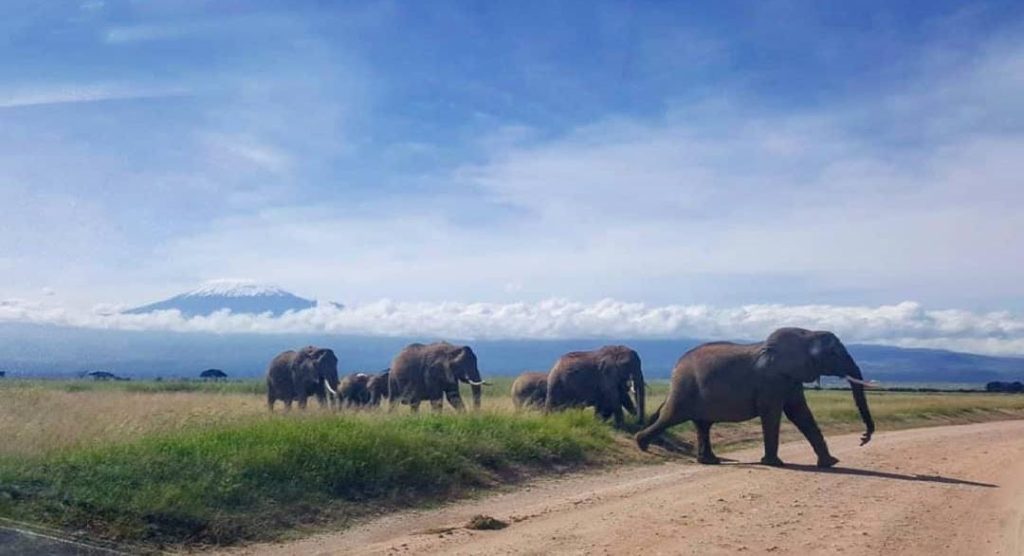
The Big Five Animals in Kenya and Tanzania: Where to See Africa’s Most Iconic Wildlife
Discover the Big Five animals in Kenya and Tanzania. Learn the history behind the name, the best national parks to find them, and expert tips for an unforgettable East African safari.
The Ultimate Guide to the Big Five Animals in Kenya and Tanzania
Planning an East African safari is an entry into one of the world’s most spectacular wildlife arenas. Kenya and Tanzania boast vast savannahs, dramatic geographic wonders, and unparalleled biodiversity. Crucially, these neighboring countries offer your absolute best chance to see the legendary Big Five animals in Kenya and Tanzania: the African lion, leopard, African elephant, rhinoceros, and Cape buffalo.
Whether you are mapping out your first game drive or returning to the bush, knowing where to spot these creatures maximizes your safari experience.
Why Are They Called the Big Five?
A common misconception is that the “Big Five” refers to Africa’s largest animals. If size were the metric, the hippopotamus and giraffe would easily make the cut.
Instead, the term is historical. It was coined by big-game hunters in the late 19th and early 20th centuries to describe the five most difficult and dangerous African animals to hunt on foot. These specific species were feared because they became fiercely aggressive, unpredictable, and lethal when trapped, cornered, or wounded.
Today, the phrase has been completely reclaimed by modern conservation and wildlife tourism. Instead of tracking them with rifles, travelers from across the globe arrive with cameras to capture these magnificent beasts. The Big Five now represents the pinnacle of sustainable eco-tourism and wildlife preservation in East Africa.
Meet the Big Five: Species Profiles and Hotspots
1. African Lion (The King of the Savannah)
Lions are the most social of the big cats, living in family groups called prides. They spend up to 20 hours a day resting under acacia trees to conserve energy, transforming into formidable apex predators during the cooler twilight hours.
-
- Conservation Status: Vulnerable (IUCN Red List)
- Best Places in Kenya: Maasai Mara National Reserve, Amboseli National Park, Tsavo East & West.
- Best Places in Tanzania: Serengeti National Park, Ngorongoro Crater, Ruaha National Park.
2. Leopard (The Elusive Master of Camouflage)
The leopard is the most solitary and secretive member of the Big Five. Blessed with beautiful rosette patterns, they are incredibly strong climbing athletes. They routinely haul heavy prey high into tree branches to keep it away from scavenging hyenas and lions.
-
- Conservation Status: Vulnerable (IUCN Red List)
- Best Places in Kenya: Maasai Mara National Reserve, Samburu National Reserve, Laikipia Conservancies.
- Best Places in Tanzania: Serengeti National Park (especially Seronera Valley), Tarangire National Park.
3. African Elephant (The Gentle Giant)
As the planet’s largest land mammal, an adult African elephant can weigh up to six metric tons. They are highly intelligent creatures characterized by profound emotional depth, intricate communication patterns, and incredibly tight matriarchal family bonds.
-
- Conservation Status: Endangered (IUCN Red List)
- Best Places in Kenya: Amboseli National Park (famous for big tuskers against Mt. Kilimanjaro), Samburu National Reserve.
- Best Places in Tanzania: Tarangire National Park (renowned for massive herds), Serengeti National Park.
4. Rhinoceros (Africa’s Critically Endangered Treasure)
Rhinos are split into two species in East Africa: the square-lipped White Rhino and the hook-lipped Black Rhino. Due to decades of relentless poaching for their horns, rhinos are the rarest and hardest member of the Big Five to check off your list.
-
- Conservation Status: Black Rhino (Critically Endangered); White Rhino (Near Threatened)
- Best Places in Kenya: Ol Pejeta Conservancy, Lake Nakuru National Park, Lewa Wildlife Conservancy.
- Best Places in Tanzania: Ngorongoro Crater (a natural volcanic sanctuary), Mkomazi National Park.
5. Cape Buffalo (The Resilient Fighter)
Do not let their cattle-like appearance fool you. Safari guides consider the Cape buffalo to be the most dangerous animal on this list. Armed with fused horn bases called a “boss,” an old, solitary bull (often called a “dagga boy”) possesses an unpredictable temper and will fiercely defend itself against lions.
-
- Conservation Status: Near Threatened (IUCN Red List)
- Best Places in Kenya: Maasai Mara National Reserve, Tsavo West National Park, Amboseli National Park.
- Best Places in Tanzania: Serengeti National Park, Katavi National Park, Arusha National Park.
At-a-Glance: Big Five Sightings Comparison Table
| Big Five Animal | Premium Sightings: Kenya | Premium Sightings: Tanzania |
|---|---|---|
| 🦁 Lion | Maasai Mara, Amboseli, Tsavo | Serengeti, Ngorongoro, Ruaha |
| 🐆 Leopard | Maasai Mara, Samburu, Laikipia | Serengeti, Tarangire, Ruaha |
| 🐘 Elephant | Amboseli, Samburu, Tsavo East | Tarangire, Serengeti, Nyerere |
| 🦏 Rhinoceros | Ol Pejeta, Lake Nakuru, Lewa | Ngorongoro Crater, Mkomazi |
| 🦬 Cape Buffalo | Maasai Mara, Tsavo West, Meru | Serengeti, Katavi, Ngorongoro |
Best Parks and Reserves to See All Big Five Together
If your ultimate goal is to check off all five animals on a single trip, look into booking itineraries focused heavily on these specific ecosystems:
Top Picks in Kenya
-
- Maasai Mara National Reserve: Famed for rolling plains and dense predator populations. While rhinos are present, they are secretive.
- Ol Pejeta Conservancy: A private reserve in Laikipia that stands as East Africa’s largest black rhino sanctuary. It offers guaranteed rhino sightings alongside the other four.
- Lake Nakuru National Park: A fenced, highly protected sanctuary making it an exceptional haven for both black and white rhinos, right next to heavy concentrations of leopards and lions.
Top Picks in Tanzania
-
- Ngorongoro Crater: This intact volcanic caldera forms a pristine, enclosed ecosystem. Because the animals rarely leave the crater floor, it is one of the easiest places in Africa to spot the entire Big Five in a single day.
- Serengeti National Park: While massive scale makes rhinos rare to stumble across casually, the sheer density of lions, leopards, buffaloes, and elephants across the central plains is unmatched.
The Best Time for a Big Five Safari
While wildlife viewing is excellent year-round in East Africa, timing your trip alters visibility:
-
- The Dry Season (June to October): This is universally considered the best time for a safari. Vegetation thins out, making animals easier to spot. Water holes dry up, forcing wildlife to congregate predictably around permanent rivers and swamps.
- The Wildebeest Migration (July to October): This period offers premium viewing as over a million wildebeest and zebras move from the Serengeti into the Maasai Mara, attracting massive predator activity from lions and leopards.
- The Calving Season (January to March): Ideal for visiting Tanzania’s southern Serengeti, where thousands of wildebeest calves are born daily, sparking intense predator action.
Essential Pro-Tips for Your Safari
-
- Go Early, Stay Late: Apex predators are active during the cool dawn and dusk hours. Midday drives usually yield sleeping animals tucked deep in the shade.
- Pack Quality Optics: Leopards resting in trees or rhinos guarded in distant valleys require a good pair of binoculars or a DSLR camera equipped with at least a 300mm telephoto lens.
- Dress in Bush Tones: Wear neutral tones like khaki, tan, olive green, or brown. Avoid bright whites (which startle wildlife) and dark blue or black (which attract biting tsetse flies).
- Trust Your Guide: Professional safari guides track footprints, read animal alarm calls, and coordinate via radio networks to find elusive species safely. Always respect their instructions.
Frequently Asked Questions (FAQs)
Can I see the Big Five in a single day?
Yes, it is possible, particularly in concentrated geographical areas like the Ngorongoro Crater in Tanzania or the Ol Pejeta Conservancy in Kenya. However, a standard 3-to-5-day safari offers a much more relaxed and realistic window to see them all naturally.
Which of the Big Five is the hardest to spot?
The Leopard and the Black Rhinoceros are the most difficult. Leopards are masters of stealth and hide easily in tall grass or trees, while Black Rhinos are highly endangered and skittish, preferring dense brush.
Is it safe to see these animals on a game drive?
Absolutely. Safari vehicles are custom-designed for game viewing. Wild animals view a safari vehicle as a single, non-threatening object rather than a collection of individual humans. As long as you remain inside the vehicle and keep noise down, you are perfectly safe.
Seeking a big five safari?
CONTACT US: