¡Embárcate en un safari fotográfico inolvidable en Kenia! Descubre los mejores lugares para capturar impresionantes imágenes de la vida silvestre, desde la icónica Gran Migración en Masái Mara hasta los espectaculares paisajes del Parque Nacional de Amboseli.
Captura fotos impresionantes de leones, elefantes, guepardos y más en sus hábitats naturales. Con ecosistemas diversos, desde sabanas hasta selvas tropicales, Kenia ofrece oportunidades inigualables para la fotografía de vida silvestre y paisajes.
Aquí tienes una guía seleccionada de algunos de los mejores destinos de safari fotográfico en Kenia:
1. Reserva Nacional de Masai Mara:
- Por qué es un paraíso para los fotógrafos: El Masai Mara es sinónimo de la Gran Migración, un espectáculo impresionante de millones de ñus, cebras y gacelas recorriendo las llanuras. Este evento anual ofrece oportunidades fotográficas incomparables, desde espectaculares cruces de ríos hasta impresionantes vistas aéreas.
- Safari fotográfico de grandes felinos: ¡Viva la emoción de un safari fotográfico de grandes felinos en Masái Mara! Capture imágenes impresionantes de leones, leopardos y guepardos en su hábitat natural. Presencie emocionantes cacerías, cachorros juguetones y encuentros inolvidables con estos majestuosos depredadores. Nuestros guías expertos le llevarán a los mejores lugares para capturar impresionantes fotografías de la vida silvestre.
- Aspectos destacados de la fotografía:
- La Gran Migración: captura la potencia y la belleza de las manadas en movimiento.
- Encuentros con depredadores: fotografíe leones cazando, guepardos persiguiendo y leopardos acechando a sus presas.
-

Guepardos con el Saunterland Land Cruiser de fondo en Masai Mara - Amanecer y atardecer: La luz dorada baña la sabana en tonos cálidos, creando momentos fotográficos mágicos.
- Consejos para fotógrafos:
- El tiempo es clave: Plan your trip to coincide with the peak migration season (July to September) if seeking to witness the great migration
- Invest in a Telephoto Lens: A long lens is essential for capturing distant wildlife.
2. Parque Nacional Amboseli:
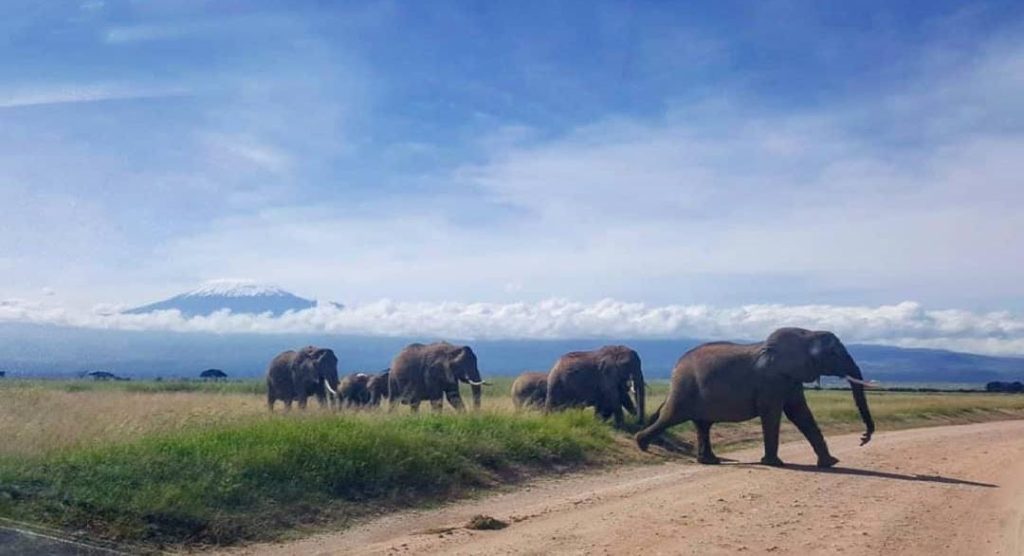
- Why it’s a Photographer’s Paradise: Amboseli is renowned for its large elephant herds and iconic views of Mount Kilimanjaro. The stark contrast between the arid landscape and the snow-capped peak creates breathtaking photographic compositions.
- Aspectos destacados de la fotografía:
- Elephants against Kilimanjaro: Capture the majestic elephants with the majestic backdrop of Mount Kilimanjaro.
-

Un elefante con el monte Kilimanjaro de fondo - Wildlife Portraits: Photograph close-ups of elephants, lions, cheetahs, and other wildlife.
- Black and White Photography: The dramatic landscape and stark contrasts make Amboseli an ideal location for black and white photography.
- Consejos para fotógrafos:
- Early Mornings and Late Evenings: The soft light during these times enhances the colors and textures of the landscape.
- Use a Polarizing Filter: Reduce glare and enhance the colors of the sky and water.
- Respete la vida silvestre: mantenga una distancia segura y evite molestar a los animales.
3. Parque Nacional Tsavo:
- Why it’s a Photographer’s Paradise: Tsavo National Park, the largest national park in Kenya, offers diverse landscapes, from open savannahs to rugged hills. This diversity translates into a wide range of photographic opportunities.
- Aspectos destacados de la fotografía:
- Red Elephants: Capture the unique red dust that coats the elephants in Tsavo East.
- Wildlife Encounters: Photograph lions, leopards, cheetahs, and a variety of other wildlife.
- Landscape Photography: Capture the vastness of the savannahs, the rugged beauty of the hills, and the dramatic skies.
- Consejos para fotógrafos:
- Explore Both Parks: Tsavo East and Tsavo West offer distinct landscapes and wildlife viewing opportunities.
- Use a Wide-Angle Lens: Capture the expansive landscapes and panoramic views.
- Be Prepared for Dust: The red dust can settle on your camera equipment, so keep it clean and protected.
4. Samburu National Reserve:
- Why it’s a Photographer’s Paradise: Samburu is home to a unique collection of wildlife, including the gerenuk, Grevy’s zebra, and reticulated giraffe. The arid landscape provides a stark contrast to the lusher parks in southern Kenya.
- Aspectos destacados de la fotografía:
- Unique Wildlife: Photograph the distinctive gerenuk, Grevy’s zebra, and reticulated giraffe.
-

Reticulated giraffe in Samburu National Reserve Bird Photography: Samburu is a birdwatcher’s paradise, with a variety of colorful species.
- Landscape Photography: Capture the dramatic landscapes of the arid savanna and the rocky outcrops.
- Consejos para fotógrafos:
- Early Mornings and Late Evenings: The cooler temperatures and softer light provide ideal conditions for photography.
- Use a Telephoto Lens: Capture close-ups of the unique wildlife.
- Be Patient and Observant: The wildlife in Samburu can be more elusive than in other parks.
5. Lake Nakuru National Park:
- Why it’s a Photographer’s Paradise: Lake Nakuru is renowned for its millions of flamingos, creating a breathtaking spectacle of color. The park also offers opportunities to photograph rhinos, waterbucks, and a variety of bird species.
- Aspectos destacados de la fotografía:
- Flamingos: Capture the vibrant colors of the flamingos against the backdrop of the lake.
- Bird Photography: Photograph a variety of bird species, including pelicans, storks, and eagles.
- Wildlife Portraits: Capture close-ups of rhinos, waterbucks, and other wildlife.
- Consejos para fotógrafos:
- Use a Long Lens: Capture detailed shots of the flamingos and other birds.
- Use a Polarizing Filter: Reduce glare on the water and enhance the colors of the flamingos.
6. Mount Kenya National Park:
- Why it’s a Photographer’s Paradise: Mount Kenya National Park offers a unique blend of mountain scenery and wildlife viewing. The park’s diverse ecosystems, ranging from alpine tundra to lush forests, provide a variety of photographic opportunities.
- Aspectos destacados de la fotografía:
- Mountain Landscapes: Capture the majestic peaks of Mount Kenya, including the snow-capped summit.
- Wildlife Photography: Photograph elephants, buffaloes, and a variety of bird species in the park’s diverse habitats.
- Landscape Photography: Capture the stunning scenery of the alpine tundra, the lush forests, and the dramatic valleys.
- Consejos para fotógrafos:
- Pack for All Weather Conditions: The weather can change quickly in the mountains, so be prepared for rain, snow, and strong winds.
6. Olpejeta Conservancy:
Ol Pejeta Conservancy is a photographer’s paradise for several reasons:
- Big Five Encounters: The conservancy is home to all the “Big Five” – lions, leopards, elephants, rhinos, and buffaloes. These iconic animals offer incredible photographic opportunities, from dramatic hunts to playful interactions.
- Rhino Sanctuary: Ol Pejeta is renowned for its rhino conservation efforts, housing both black and white rhinos. This provides unique chances to photograph these endangered creatures.
-

Northern white rhino in Olpejeta Conservancy Fauna diversa: Además de los Cinco Grandes, la reserva cuenta con una gran variedad de fauna, como cebras de Grevy, jirafas reticuladas, chimpancés y una diversa avifauna. Esta diversidad garantiza una gran variedad de temas fotográficos.
- Scenic Landscapes: The conservancy offers stunning landscapes, from open savannahs to forested areas and the backdrop of Mount Kenya. These diverse settings provide beautiful backdrops for your wildlife photos.
- Dedicated Photography Hides: Ol Pejeta offers dedicated photography hides, allowing you to get closer to wildlife without disturbing them. These hides provide excellent opportunities for capturing intimate portraits and unique behaviors.
Consejos para fotógrafos:
- Gear Up: Bring a versatile camera with interchangeable lenses, including a wide-angle lens for landscapes and a telephoto lens for wildlife. A sturdy tripod is essential for capturing sharp images in low light.
- Patience is Key: Wildlife photography requires patience. Be prepared to spend time waiting for the perfect moment to capture that special shot.
- Respect Wildlife: Always maintain a safe distance from animals and avoid using flash photography.
- Embrace the Light: Pay attention to the light and use it to your advantage. The golden hour (sunrise and sunset) often provides the most dramatic lighting.
- Capture the Details: Don’t just focus on the big animals. Look for the smaller details, such as intricate patterns in bird feathers or the textures of animal hides.
Al embarcarte en tu aventura fotográfica en Kenia, recuerda dejarte llevar por lo inesperado. Deja que la belleza de la sabana, la gracia de los animales y la magia del momento guíen tu objetivo. Kenia dejará una huella imborrable en tu alma y en tu portafolio. Contáctanos para organizar un safari fotográfico mágico. Descubre algunos de los safaris en safaris en Kenia