The Ultimate Guide to Kenya Safari Costs in 2026: Everything You Need to Know
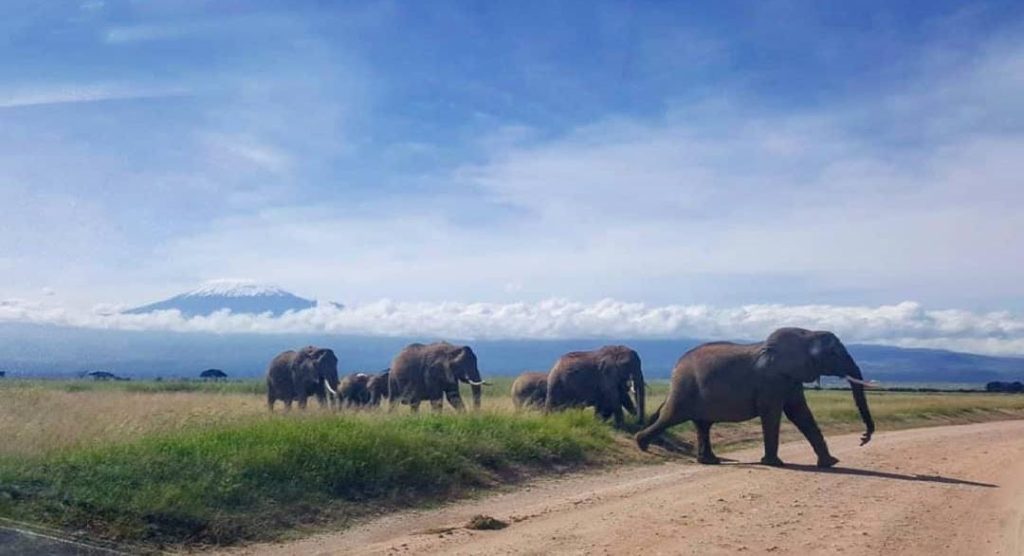
Planning a safari to Kenya is a bucket-list dream. Seeing the Great Migration thunder across the Maasai Mara, watching elephants wallow against Mount Kilimanjaro in Amboseli, or tracking rhinos in the Ol Pejeta Conservancy are experiences that stay with you forever.
However, if you are starting to budget for a 2026 trip, you might notice things look a bit different than they did a couple of years ago. Following sweeping government updates to park entry fees across the country, pricing structures have shifted.
This comprehensive guide breaks down exactly what a Kenya safari will cost in 2026, where your money goes, and how to plan a trip that fits your budget.
The Quick Answer: How Much Does a Kenya Safari Cost in 2026?
As a general rule, a standard Kenya safari in 2026 costs anywhere from $200 to $1,500+ per person, per day.
Where you fall on that massive spectrum depends entirely on your travel style, your accommodation choice (rustic safari lodges vs. walk-in tented camps), how you get between parks, and the time of year you visit. For a comfortable, classic African safari experience, most mid-range travelers should budget between $350 and $700 per day.
Here is how those daily costs generally break down by tier:
| Safari Tier | Average Cost (Per Person / Day) | Transport Type | Accommodation Style |
|---|---|---|---|
| Budget | $200 – $300 | Safari Van | basic tents outside park gates |
| Mid-Range | $350 – $700 | Private 4×4 Land Cruiser | Mid-scale tented camps or 3 to 4-star safari lodges |
| Luxury | $700 – $1,500+ | Light Domestic Aircraft or private 4*4 landcruiser | 5-star exclusive permanent luxury lodges & conservancies |
Handpicked Kenya Safari Packages for 2026
To help you visualize your budget, here are a few expert-curated itineraries offered by Saunterland Africa Tours:
- 1/2 Day Nairobi National Park Tour: Perfect city break to see lions and rhinos.
- 1 Day Tsavo East Tour from Mombasa: A fast-paced day trip from the coast to track red elephants.
- 2-Day Witnessing Giants Amboseli Safari: Overnight trip tailored for elephant viewing beneath Mt. Kilimanjaro.
- 3-Day Masai Mara Migration Safari: A short, high-impact trip optimized for river crossings.
- 3-Day Masai Mara Budget Safari: An affordable wildlife tour option highlighting predators and big game.
- 4-Day Nairobi-Masai Mara Safari Midrange Tour: Explores classic open savannah plains with comfortable lodge settings.
- 4-Day Masai Mara-Lake Naivasha Classic Safari: Incorporates vehicle game drives and a guided walking tour.
- 5-Day Kenya Safari Tour: Includes targeted stops for a Nairobi, Lake Nakuru, and Masai Mara getaway.
- 5-Day Nairobi-Masai Mara-Naivasha-Olpejeta Safari: Covers major black rhino sanctuaries and walking safari zones.
- 7-Day Affordable Kenya Safari: A budget-friendly loop exploring the Mara, Lake Nakuru, and Amboseli.
- 7-Day Ultimate Kenya Safari: Combines a fast-paced loop through Nairobi, Amboseli, and Tsavo East with beach relaxation at Diani Beach.
- 8-Day Photographic Safari in Kenya: Utilizes specialized 4×4 landcruisers to guarantee optimal camera angles.
- 9-Day Kenya’s Best Luxury Safari Adventure: Features premium luxury tented camps and exclusive amenities across top parks.
- 10-Day Taste of Kenya Photographic Safari: A dedicated photography expedition tracking predator movements.
- 10-Day Kenya & Tanzania Photography Safari: Crosses boundaries for deep photo access to both the Mara and Serengeti.
- 11-Day Romantic Kenya Honeymoon Safari & Beach Escape: Spends days tracking large prides followed by a private coastal retreat.
- 15-Day East Africa Safari: Expansive multi-week tour covering the Serengeti, Ngorongoro, Amboseli, and the Mara.
- 30-Day East Africa Safari: The grand tour exploring the wilderness highlights of Uganda, Kenya, Tanzania, and Zanzibar.
Key Factors That Influence Your Kenya Safari Cost
Understanding what goes into a safari quote helps you manipulate the variables to lower your final bill. The overall cost of a Kenyan safari is dictated by ten primary factors:
1. Accommodation Comfort Level
Lodging accounts for up to 60% of your total safari invoice. The accommodation sector is strictly segmented into three distinct operational tiers:
-
- Budget Campsites ($50 – $150 per night): These involve public pitches inside or right outside park gates. You sleep on ground tents with sleeping pads, use shared pit latrines or basic blocks, and travel with a camp chef who prepares meals over gas burners. Budget tented camps also falls under this tire
- Mid-Range Eco-Tented Camps ($250 – $600 per night): The most popular tier. These are large, walk-in canvas tents erected on permanent wooden or concrete platforms. They feature standard queen beds, 24-hour solar electricity, and private, ensuite plumbed bathrooms with hot showers. Meals are served buffet or three-course style in a communal mess tent.
- Ultra-Luxury 5-Star Lodges ($900 – $2,500+ per night): These are opulent stone-and-thatch villas or sprawling permanent canvas estates located in exclusive zones. They feature private plunge pools, panoramic glass viewing decks, dedicated personal butlers, fine-dining à la carte menus, and premium vintage wines included in the nightly rate.
2. Travel Seasonality Timing
The calendar dictates lodge inventory and park pricing structures based on animal movements and weather patterns:
-
- Peak Season (July – October): This aligns with the dry season and the world-famous Great Wildebeest Migration in the Maasai Mara. Lodges operate at 100% capacity and charge premium peak pricing. Expect maximum crowds around river crossings.
- Shoulder Season (January – March, November – December): This covers the short dry seasons. Wildlife viewing is exceptional as animals gather around permanent waterholes. Lodges drop their prices by 20% to 30%, making it the best value-for-money window.
- Low/Green Season (April – June): This corresponds to the long rainy season. Some dirt tracks become impassable, and animals disperse into the bush. However, the landscape is lush, newborn animals are everywhere, and luxury lodges slash their rates by up to 50% while completely waiving single supplements.
3. Total Group Size
Safari operations carry heavy baseline fixed costs that do not change whether a vehicle carries one passenger or six. These fixed expenses include daily vehicle rental, fuel allocation, and your driver-guide’s daily salary and field allowance.
-
- If you travel as a solo adventurer or a couple, you bear 100% of those vehicle operational fees alone.
- If you travel as a group of 4 to 6 passengers filling a vehicle, those exact same fixed expenses are divided equally among the group, instantly slashing the transit portion of your per-person bill.

4. Transit Method Mechanics
How you move between geographical regions dramatically impacts both your timeline and your wallet:
-
- Road Safaris: You utilize your safari vehicle to drive from destination to destination (e.g., driving 5–6 hours from Nairobi to the Maasai Mara). It is highly economical, offers a look at local towns, but consumes significant travel days on bumpy roads.
- Fly-In Bush Safaris: You skip the highways entirely. Scheduled domestic safari airlines utilize small turboprop aircraft (like Cessna Caravans or Dash 8s) to fly directly from Nairobi’s Wilson Airport (WIL) to dirt airstrips inside the parks. Each flight leg adds $200 to $450 per person, requires strict 15kg soft-luggage limits, but turns a 6-hour grueling drive into a 45-minute flight.
5. Vehicle Type Choice
The build and mechanical capability of your safari vehicle dictate daily rental rates:
-
- Safari Minivans (Tour Vans): These are modified 2-wheel-drive passenger vans equipped with a roof hatch. They are highly cost-effective and perfect for smooth, paved highways and well-graded main park roads (like Nakuru or Naivasha). However, they lack the clearance and low-range gears needed for deep mud or steep rocky terrain.
-

Our safari van with background of a herd of elephants in Amboseli Private 4×4 Safari Land Cruisers: The gold standard of African safaris. These rugged heavy-duty vehicles feature customized heavy suspension, high ground clearance, extended chassis layouts, and dual spare tires. They are mechanically built to access remote wilderness areas during heavy rains.

6. Destination Status Distinction
The legal management framework of the land you visit changes your fee structure:
-
- Public National Parks & Reserves: Managed by the government or local county government(e.g., Amboseli, Tsavo, Maasai Mara National Reserve). They feature lower baseline entry costs and allow higher vehicle densities, meaning you will share major predator sightings with other tour vans.
- Private Conservancies: Patches of community or private land bordering national parks (e.g., Mara North, Olare Motorogi, Lewa Conservancy). Only guests staying at lodges situated inside the conservancy are legally allowed to do game drives there. This strict limitation ensures exclusive, low-vehicle wildlife sightings, allows off-road tracking, and offers night drives, but carries substantially higher daily conservation fees.
7. Total Itinerary Duration
Every single day spent on safari is billed on a strict, compounding 24-hour operational cycle. Unlike a standard city holiday where you might have “free days” with no expenses, a safari requires fixed daily spending. Every additional 24 hours automatically tacks on another round of full-board lodging accommodation, a full day of vehicle fuel and guide allowances, and mandatory daily park entry permits. A 10-day safari will cost almost exactly double a 5-day safari of the identical tier.
8. Mandatory Park Permits
Park fees are legally mandated conservation tariffs collected by authorities, and they cannot be discounted by tour operators. Following recent government adjustments, these fees represent a front-heavy chunk of your trip budget:
-
- Maasai Mara National Reserve Fees: Placed at $100 per adult per day during the low season (January to June) and climbing to $200 per adult per day during peak migration season (July to December).
- KWS Premium Parks (Amboseli & Nakuru): Approximate standard rates sit at $90 per day for non-resident adults.
- Note: These permits are strictly valid for 24 hours from the exact time of entry. If you enter at 3:00 PM on Day 1 and exit at 4:00 PM on Day 2, you are legally billed for two full days of park fees.
9. Optional Activity Add-ons
Your standard package covers morning and evening game drives, but premium experiential upgrades are billed as optional out-of-pocket extras:
-
- Hot Air Balloon Safaris: Costs $400 to $500 per passenger for a 1-hour sunrise flight over the plains, a champagne bush breakfast, and a flight certificate.
- Maasai Cultural Village Visits: Costs $30 to $50 entry fee paid directly to the village elder to witness traditional homestead construction, fire-making demonstrations, and jumping dances.
-

A tourist interacting with a masai moran on a masai village visit Night Game Drives / Guided Bush Walks: Usually priced at $50 to $100 per excursion inside private conservancies to pay for specialized spotlights or armed rangers.
10. Pre-Travel Health Prerequisites
Before you even board your international flight, preparing your body for East Africa requires mandatory upfront financial investments:
-
- Malaria Prophylaxis: Essential prescriptions (like Malarone or generic Atovaquone/Proguanil) can cost anywhere from $50 to $150 depending on your health insurance layout.
- Vaccines: Routine boosters (Hepatitis A/B, Typhoid, Tetanus) alongside the mandatory Yellow Fever vaccine if arriving from an endemic country can easily add $200 in clinic fees.
- Travel Insurance: Comprehensive medical policies that explicitly cover remote wilderness evacuation, lost baggage, and trip interruption typically cost $100 to $250 per person.
Beyond Game Drives: Costs of Extra Safari Activities
Standard daytime game drives form the backbone of any itinerary, but Kenya offers incredible optional excursions to spice up your trip.
1. Iconic Safari Add-ons
-
- Hot Air Balloon Ride (Maasai Mara): $400 – $500 per person. A bucket-list sunrise flight over the plains followed by a luxury champagne bush breakfast.
- Night Game Drives: $50 – $100 per person. Track elusive nocturnal predators like leopards and hyenas using spotlights.
- Guided Walking Safaris: $30 – $80 per person. Step out of the vehicle to track animal footprints and learn about local flora with an armed ranger.
- Horse Riding Safaris: $80 – $200 per hour. Ride alongside zebras and giraffes in private sanctuaries like Laikipia.
2. Cultural & Urban Day Tours
-
- Cultural Village Visits (Maasai/Samburu): $30 – $50 per person. Experience traditional homesteads, jumping dances, and local beadwork.
- The David Sheldrick Wildlife Trust (Nairobi): $20 per person. A world-famous orphan elephant rescue center open for one hour daily.
- The Giraffe Centre (Nairobi): $15 per adult. Walk along an elevated platform to feed endangered Rothschild giraffes face-to-face.
- Farm Tours & Cooking Lessons: $40 – $90 per person. Tour a historic tea or coffee estate, or join a local chef for an authentic Swahili cooking class.
3. High-Adventure & Epic Thrills
-
- Hiking Mount Kenya: $600 – $1,200 per person total. Covers a 4-to-5-day guided trek up Africa’s second-highest peak, including mandatory park fees, porters, mountain huts, and meals.
- Coastal Skydiving (Diani Beach): $350 – $450 per jump. A tandem skydive over the Indian Ocean with a beach landing.
- Bungee Jumping (Sagana): $60 – $80 per jump. Leap from a 60-meter tower over the raging waters of the Tana River.
- Luxury Helicopter Tours: $1,500 – $3,500+ per hour. Private aerial charters into northern frontiers.
How to Travel Between Parks in Kenya
Getting from one wildlife destination to the next is a major part of the adventure. Your transit choice directly affects your overall trip cost, physical comfort, and how much time you spend looking at animals versus looking at asphalt.
1. Private 4×4 Safari Land Cruiser (The Industry Standard)
The custom 4×4 Land Cruiser is the quintessential safari vehicle. It is rugged, features a pop-up roof for 360-degree photography, and can easily handle rough terrain.
-
- The Cost Factor: Highly economical for groups of 4 to 6 because you split the fixed daily cost of the vehicle, fuel, and driver.
- What to Expect: Long drives. For instrance traveling from Nairobi to the Maasai Mara takes roughly 5 to 6 hours. Expect bumpy tracks, fondly dubbed the “African massage.”
2. Safari Minivan / Tour Van (The Budget Alternative)
Many budget tours utilize 6-seater safari minivans. Like the Land Cruisers, these are modified with pop-up roofs for clear wildlife viewing.
-
- The Cost Factor: This is the cheapest way to navigate the classic safari circuit.
- What to Expect: They handle paved highways perfectly but lack the high clearance and smooth suspension of a 4×4 on muddy or deeply rutted backroads.

3. Domestic Fly-In Safaris (The Luxury Express)
Small propeller aircraft fly daily from Nairobi’s Wilson Airport (WIL) directly to bush airstrips.
-
- The Cost Factor: Adds $200 to $450 per person, per flight leg. You will also have a strict luggage limit of 15kg (33 lbs) in soft-sided bags.
- What to Expect: Spectacular aerial views of the Rift Valley and a 45-minute flight instead of a 6-hour drive. Once you land, the lodge’s open-sided 4×4 vehicles will pick you up for game drives.
4. The Madaraka Express Train (The Coastal Link)
For itineraries that connect Nairobi to Tsavo National Park or the beaches of Mombasa and Diani, the modern Standard Gauge Railway (SGR) train is a fantastic option.
- The Cost Factor: Incredibly affordable. First-class tickets cost around $30, while economy is under $15.
East Africa Comparison: Kenya vs. Tanzania vs. Uganda safari costs
If you are trying to choose between an adventure in Kenya or neighboring East African destinations, understanding how costs vary across borders is vital. Each country has a completely different structural setup for its tourism industry.
Kenya: Best Infrastructure & Mid-Range Value
-
- Average Cost: $350 – $700 per day (Mid-Range).
- The Verdict: Kenya is generally the most cost-effective destination for a classic savannah safari. Because Nairobi is the primary aviation hub of East Africa, international flights are significantly cheaper. Furthermore, Kenya offers a massive inventory of mid-range properties and accessible road circuits, keeping package prices highly competitive despite recent park fee hikes.
Tanzania: The Premium Savannah Experience
-
- Average Cost: $450 – $900+ per day (Mid-Range).
- The Verdict: A safari in Tanzania’s Northern Circuit (Serengeti and Ngorongoro Crater) is structurally more expensive than Kenya. Tanzania levies a 18% Value Added Tax (VAT) on tourism services and collects steep vehicle crater-descent fees (~$300 per vehicle per entry). Logistics are also more spread out, meaning a Tanzania trip delivers an incredibly raw, exclusive experience but demands a 20% to 30% higher budget than a comparable Kenyan itinerary.
Uganda: The Primate Specialization
- Average Cost: $400 – $800 per day (Varies significantly by activity).
- The Verdict: Uganda is not traditionally chosen for massive savannah herds, but it holds a monopoly on mountain gorilla trekking alongside Rwanda. A single gorilla trekking permit in Uganda’s Bwindi Impenetrable Forest costs a flat $800 per person (though still cheaper than Rwanda’s $1,500 permit). While its traditional national parks (like Queen Elizabeth) offer highly affordable daily entry fees (~$40), the non-negotiable cost of primate permits makes Uganda a front-heavy, specialty budget expense.
Hidden Out-of-Pocket Safari Costs to Remember
When building a comprehensive safari budget, it is easy to focus entirely on lodges and flights. However, there are several hidden pre-departure and on-the-ground expenses that you must account for to avoid breaking the bank.
1. Vaccines, Medications, and Medical Prep
Staying healthy on safari requires some upfront medical investments before you leave home.
-
- Malaria Prophylaxis: $50 – $150 per person. Kenya is a malaria-risk zone. The cost of a prescription medication (like Malarone or Doxycycline) varies based on your country of residence and insurance coverage.
- Routine & Required Vaccines: $100 – $300+ total. Recommended immunizations include Hepatitis A & B, Typhoid, Tetanus, and Rabies. If you are entering Kenya from a Yellow Fever-endemic country, a Yellow Fever vaccine card is mandatory (approx. $100).
- First-Aid Kits and Insect Repellent: $30 – $50. Stocking up on heavy-duty DEET repellent, sunblock, diarrhea medication, and rehydration salts.
2. Comprehensive Travel Insurance
Do not step onto a safari vehicle without travel insurance. Safari destinations are remote, and standard health insurance rarely covers international emergencies.
-
- Standard Travel Insurance: $100 – $250 per person. A good policy should cover trip cancellations, flight delays, lost luggage (safari gear is expensive!), and comprehensive emergency medical coverage.
- Emergency Flying Doctors Evacuation: $15 – $30 per person. Many local operators offer an add-on AMREF Flying Doctors membership. This ensures that in a medical emergency, an air ambulance will airlift you directly from a bush airstrip to a top-tier hospital in Nairobi.
3. Souvenirs, Curios, and Shopping
Kenya has a vibrant artisan culture, and you will undoubtedly want to bring a piece of Africa home with you.
-
- Small Souvenirs (Keychains, Carvings, Spices): $5 – $20. Great for market stalls in Nairobi or coastal towns.
- Authentic Maasai Shukas & Beadwork: $15 – $40. Traditional checkered blankets and intricate beaded necklaces bought directly from cultural villages.
- Premium Curios (Hand-carved Ebony Sculptures, Paintings): $50 – $300+. Larger, masterfully crafted art pieces found in specialized galleries.
- Kenyan Tea and Coffee: $5 – $15 per bag. World-class AA coffee and premium black teas make affordable gifts and can be bought cheaply at local Nairobi supermarkets.
- Note: Bargaining is expected in local markets, but always remember to keep a polite and respectful tone!
The Big Cost Drivers: Why is Safari Pricing Changing?
To budget accurately for 2026, you need to understand the main factors that push your trip cost up or down.
1. The New Park Entry Fees
The Kenya Wildlife Service (KWS) and local county councils recently overhauled the park fee structures. Park fees are now a massive chunk of your daily budget, charged per adult per 24-hour cycle:
-
- Maasai Mara National Reserve: Now costs $100 per day during the low season (January to June) and jumps to $200 per day during peak migration season (July to December).
- Amboseli & Lake Nakuru National Parks: Approximately $90 per day.
- Tsavo East & Tsavo West: Approximately $80 per day.
Because these fees accumulate daily, a 4-day stay in the Maasai Mara during peak season adds $800 per person just in entry permits.
2. High Season vs. Low Season (The Migration Premium)
Timing is everything. If you want to see the Great Wildebeest Migration crossing the Mara River between July and October, you will pay peak pricing. Lodges charge a 40% to 60% premium during these months, and availability fills up quickly.
If you travel during the Green Season (April to June) when the long rains arrive, the landscape is stunningly green, crowds vanish, and luxury lodges slash their rates by up to 40%.
What’s Included (and What’s Not) in Your Quote?
When you receive a custom quote from a local tour operator like Saunterland Africa Tours, it is usually a packaged price.
Typically Included:
-
- Accommodation & Meals: Full-board stays (breakfast, lunch, and dinner) at your chosen lodge or tented camp tier.
- Transport: Your dedicated safari vehicle, fuel, and daily morning/evening game drives.
- Expert Guide: The professional fees and expenses for your certified driver-guide.
- Park Fees: All daily park, reserve, and conservancy entry permits rolled into the total.
Typically Excluded:
-
- International Flights: Flights arriving at Jomo Kenyatta International Airport (NBO) in Nairobi.
- Kenya Electronic Travel Authorization (eTA): Ensure you apply and obtain your online e-visa/eTA before boarding your aircraft.
- Tips and Gratuities: Budget roughly $10–$15 per day for your driver-guide and $10–$20 per day for the general lodge staff box.
- Optional Upgrades: Extra activities and the out-of-pocket costs listed above are paid separately.
How to save costs for a Kenyan safari
If you want to experience the magic of a Kenyan safari without breaking the bank, use this tactical blueprint to optimize your variables:
-
- Drop down a season: Book your trip for January, February, or November (Shoulder Season) or March (Early Low Season). You will bypass the massive peak-season lodge markups while still enjoying fantastic weather and superb wildlife viewing.
- Form a group of 4 to 6: Do not travel alone or as a couple if you want to save money. Gather friends or family to fill a vehicle, or explicitly ask Saunterland Africa Tours for a “group-joining safari.” This splits the cost of the vehicle, fuel, and driver
- Choose a Safari Minivan: Opt for a customized safari van over a 4×4 Land Cruiser. For the classic, well-paved circuits (Nairobi to Lake Nakuru, Hell’s Gate, or Amboseli), a minivan handles the roads perfectly at a fraction of the daily rental cost.
- Stay just outside the park gates: Lodges inside the parks are subject to high levy fees. Booking comfortable tented camps situated right outside the main gates (like Talek or Sekenani gates in the Mara) lowers your nightly room rate dramatically.
- Limit your movement: Instead of rushing to four different parks in a week—which burns expensive fuel and rack up daily entry fees—pick one or two premier destinations (like a combined Maasai Mara and Lake Naivasha trip) and spend more days exploring them deeply.
- Skip the flight legs: Opt completely for a road safari. The drive allows you to see the beautiful Kenyan countryside and saves you $200 to $400 per person per flight.
- Be selective with add-ons: Skip the expensive hot air balloon rides and focus on the standard morning and evening game drives, which are already packed with incredible wildlife action.
Factors You Should NEVER Cut Costs On (For Safety & Quality)
While saving money is great, cutting corners on certain things can ruin your vacation, leave you stranded, or put your life at risk. Never compromise on these items:
- Professional Driver-Guide Certification: A highly skilled, certified guide possesses advanced wildlife tracking abilities, understands animal behavior to keep you at a safe distance, and knows how to navigate complex bush tracks without getting lost.
- Vehicle Maintenance and Mechanical Soundness: Compromising on vehicle quality means risking bald tires, failing brakes, or suspension breakdowns deep inside predator territory where there is zero cell service.
- Emergency Medical Evacuation Coverage: Skipping the nominal fee for an AMREF Flying Doctors membership leaves you without a medical airlift if you experience an accident or sudden illness hours away from the nearest hospital.
- Comprehensive Travel Insurance Protection: Saving money by bypassing high-quality insurance leaves you financially vulnerable to expensive flight cancellations, lost camera equipment, or overseas hospital stays.
- Reputable Local Operator Licensing: Booking through unregistered, unverified “fly-by-night” operators to save a buck increases your risk of deposit scams, stranded logistics, and sub-standard service.
- Malaria Prophylaxis and Medical Prep: Skipping prescribed malaria pills or required vaccinations to save on pre-trip doctor visits exposes you to severe, life-threatening tropical diseases.
- Dietary and Food Hygiene Standards: Choosing lower-tier, unvetted roadside food stalls or cheap camps with poor refrigeration risks severe food poisoning, which can entirely ruin your trip.
- Accommodation Location and Security: Booking ultra-cheap lodging far outside park boundaries forces you into long, exhausting transits and compromises basic compound security in areas bordering wildlife zones.
- High-Quality Insect Repellent and Sun Protection: Buying cheap, ineffective sunblock or low-DEET bug sprays leaves you vulnerable to severe sunburns and painful tsetse fly or mosquito bites.
Ready to plan your dream African getaway? Contact the experts at Saunterland Africa Tours to receive a complimentary, tailored 2026 itinerary mapping out your perfect route.