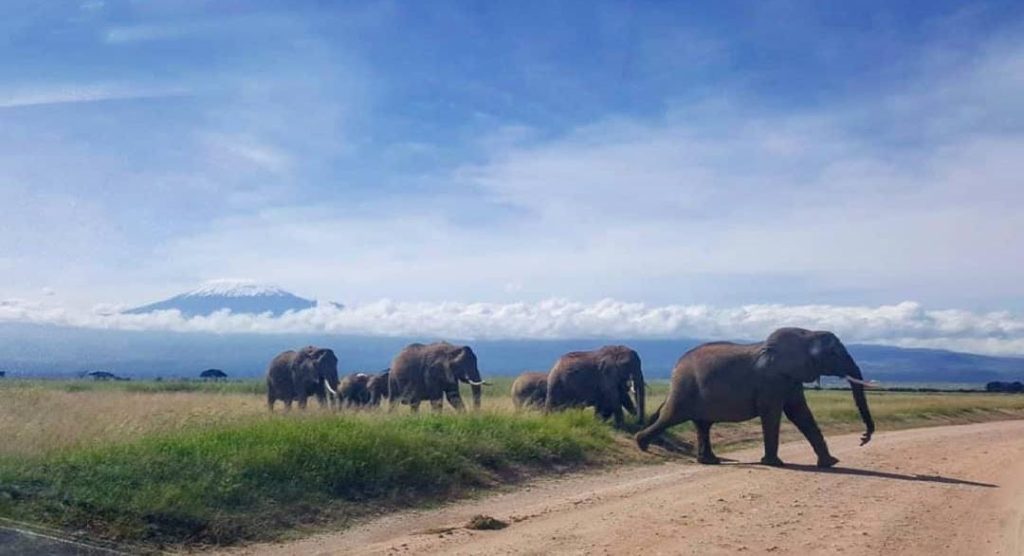
The Ultimate Tanzania Safari Guide: Your Dream African Adventure Planning Companion
Are you dreaming of witnessing millions of wildebeest thundering across open plains, tracking tree-climbing lions, or winding down on a white-sand beach beside the turquoise Indian Ocean? Tanzania is the ultimate jewel of African travel, offering an unmatched density of wildlife, breathtaking natural landscapes, and rich cultural encounters.
This comprehensive Tanzania safari guide covers everything you need to know to plan a flawless, unforgettable trip to East Africa.
Where is Tanzania Located?
Tanzania is located in East Africa, positioned just south of the equator. It shares borders with Kenya and Uganda to the north; Rwanda, Burundi, and the Democratic Republic of the Congo to the west; and Zambia, Malawi, and Mozambique to the south. Its entire eastern border faces the warm waters of the Indian Ocean, making it the perfect geographic canvas for a combined bush-and-beach holiday

Northern Tanzania Parks & Key Attractions
The Northern Circuit is Africa’s most famous safari region. It is ideal for first-time visitors who want to see massive concentrations of wildlife, vibrant bird life, and world-renowned landscapes.
Below are the key National parks in Northern Tanzania:
1. Serengeti National Park
-
- The Highlight: A UNESCO World Heritage Site famous for hosting the Great Wildebeest Migration.
- Key Wildlife: Tens of thousands of lions, leopards, cheetahs, hyenas, elephants, and the critically endangered Eastern Black Rhino.
- Landscape: Endlessly undulating, golden wave-like savannah grasslands and rocky outcrops (kopjes).
2. Ngorongoro Crater Conservation Area
-
- The Highlight: Often called Africa’s “eighth wonder of the world,” this is a massive, intact 100-square-mile volcanic caldera that forms a self-contained ecosystem.
- Key Wildlife: High predator density featuring black-maned lions, hyenas, leopards, and large bull elephants walking alongside zebras and wildebeest.
- Landscape: A dramatic crater floor with open grasslands, the Lerai acacia forest, and the shimmering, alkaline Lake Magadi.
3. Tarangire National Park
-
- The Highlight: Home to the second-highest concentration of wildlife in Tanzania, centered around the life-giving Tarangire River.
- Key Wildlife: Colossal herds of elephants numbering in the hundreds, alongside migratory zebras, buffalos, and giraffes.
- Landscape: Iconic, ancient baobab trees dotting a vibrant green savannah.
4. Lake Manyara National Park
-
- The Highlight: A compact but incredibly biodiverse park centered around a shallow, pink-tinged Rift Valley soda lake.
- Key Wildlife: The world-famous tree-climbing lions, vast troops of baboons, and millions of migratory pink flamingos.
- Landscape: Groundwater forests, rocky cliffs, and open marshes.
5. Arusha National Park
-
- The Highlight: The most accessible park in the Northern Circuit, dominated by the towering peak of Mount Meru (Africa’s fourth highest mountain).
- Key Attractions: Incredible canoeing, cycling, and walking safaris that bring you remarkably close to the animals without a vehicle.
- Key Wildlife: Black-and-white colobus monkeys, blue monkeys, giraffes, buffalo herds, and rare wading birds flocking around the Momella Lakes.
6. Lake Eyasi
-
- The Highlight: A beautiful, wild soda lake located southwest of the Ngorongoro Conservation Area, serving as a sanctuary for ancient African tribal cultures.
- Key Attractions: Deep cultural immersion. Spend early mornings tracking game on traditional hunting and gathering expeditions with the indigenous Hadzabe and Datoga tribes.
- Landscape: Arid plains and seasonal wetlands that host massive breeding populations of pink flamingos and great white pelicans.
7. Lake Natron
-
- The Highlight: A highly caustic, deep red alkaline lake sitting at the lowest point of the Great Rift Valley, nestled right at the foot of Ol Doinyo Lengai (the active volcano known as the Maasai “Mountain of God”).
- Key Attractions: The premier breeding ground for over two million lesser flamingos, where extreme conditions protect their nests from predators. It is also highly popular for walking treks to the Ngare Sero waterfalls and adventurous night volcano climbs.
- Landscape: Ethereal, volcanic mudflats, smoking craters, and rolling ash-grey hills that feel like another planet.
Southern Tanzania Parks & Key Attractions
The Southern Circuit offers a wilder, raw, and highly exclusive safari experience. It is heavily dominated by rivers and massive woodlands, meaning fewer vehicles and a truer sense of isolation.
1. Nyerere National Park (Formerly Selous Game Reserve)
-
- The Highlight: The largest protected wildlife reserve on the African continent, dominated by the sprawling Rufiji River network.
- Key Attractions: Incredible boat safaris where you can glide right past sleeping crocodiles and massive pods of grunting hippos.
- Wildlife: A crucial sanctuary for rare African wild dogs, huge buffalo herds, and sable antelopes.
2. Mikumi National Park
-
- The Highlight: A highly accessible park set along the Mkata Floodplain, which is frequently compared to the Serengeti for its open vistas and flat grasslands.
- Key Attractions: Perfect for shorter safaris starting directly from Dar es Salaam (just a 4-hour drive).
- Wildlife: Lions, giraffes, zebras, leopards, and the largest antelope in the world—the eland.
3. Ruaha National Park
-
- The Highlight: A rugged, semi-arid wilderness sanctuary that feels like Africa did a century ago.
- Key Attractions: Incredible predator action and walking safaris along seasonal riverbeds.
- Wildlife: Massive prides of lions, endangered wild dogs, cheetahs, and greater kudu.
Western Tanzania Parks & Key Attractions
The Western Circuit is Tanzania’s ultimate final frontier. It is extremely remote, accessible mostly by light aircraft, and offers unique tracking adventures that you cannot find anywhere else in the country.
1. Katavi National Park
-
- The Highlight: An isolated wilderness known for extreme dry-season wildlife concentrations.
- Key Attractions: Watching up to 200 hippos packed tightly into small river pools while giant crocodiles retreat into mud caves.
- Wildlife: Massive buffalo herds, lions, leopards, and puku antelopes.
2. Gombe Stream & Mahale Mountains National Parks
-
- The Highlight: Remote, lush forested parks resting on the shores of Lake Tanganyika.
- Key Attractions: Guided chimpanzee trekking to observe habituated primate communities up close in their native rainforest environments.
- Wildlife: Chimpanzees, colobus monkeys, squirrels, and hundreds of species of colorful cichlid fish in the lake.
Accessing Tanzania: Air Gateways
Most international safari travelers arrive through one of two main aviation hubs:
Kilimanjaro International Airport (JRO)
-
- Best For: Travelers heading directly to the Northern Circuit (Arusha National Park, Serengeti, Ngorongoro, Tarangire, Natron, Eyasi, and Mount Kilimanjaro climbs).
- Location: Located near the safari base towns of Arusha and Moshi.
Julius Nyerere International Airport (DAR)
-
- Best For: Travelers exploring the Southern and Western Circuits (Nyerere National Park, Mikumi, Ruaha, Katavi) or connecting directly to the coast.
- Location: Situated in the bustling coastal commercial capital of Dar es Salaam.
Why Visit Tanzania for an African Safari?
Here are 10 compelling reasons why Tanzania should be at the very top of your travel bucket list:
1. The Great Wildebeest Migration
Tanzania plays host to the largest herd movement of land animals on the planet. Over 1.5 million wildebeest, zebras, and gazelles travel in a continuous survival loop across the Serengeti ecosystem, braving crocodile-infested rivers and lurking predators in what is known as “the greatest show on Earth”.
2. The Highest Animal Density in the World
Tanzania boasts more wild animals per square mile than any other country globally. Its vast savannas, wetlands, and forests are home to over 430 mammalian species, ensuring that every game drive is packed with thrilling, up-close wildlife sightings.
3. The Legendary “Big Five”
If crossing the Big Five off your bucket list is a dream, Tanzania is the place to do it. Parks like the Serengeti and the Ngorongoro Crater offer premier tracking opportunities to see lions, leopards, elephants, Cape buffalos, and the highly endangered Eastern Black Rhino roaming freely in their natural habitats.
4. The Ngorongoro Crater Caldera
Often referred to as Africa’s “eighth wonder of the world,” this intact, 100-square-mile volcanic caldera forms a unique, self-contained ecosystem. The 2,000-foot-high crater walls shelter over 30,000 animals, offering a spectacular, high-density wildlife viewing experience unmatched anywhere else.
5. Mount Kilimanjaro
Towering at 19,340 feet above sea level, the majestic, snow-capped Mount Kilimanjaro is Africa’s highest point and the world’s tallest free-standing mountain. It stands as an iconic backdrop for wildlife photographers and represents the ultimate bucket-list challenge for trekkers worldwide.
6. The Exotic Beaches of Zanzibar
Nothing pairs better with a dusty bush safari than the pristine, white-sand beaches of the Zanzibar Archipelago. After tracking wildlife, you can take a short flight to the coast to snorkel in turquoise waters, sail on traditional wooden dhows, and explore the historic cobblestone alleyways of Stone Town.
7. Authentic Cultural Encounters
Tanzania is home to over 100 distinct ethnic groups, offering rich and diverse cultural immersions. You can spend time learning about the vibrant traditions of the Maasai pastoralists or venture to Lake Eyasi to witness the ancient lifestyle of the Hadzabe, one of the last true hunter-gatherer tribes on earth.
8. Chimpanzee Trekking in the Wild
In the remote western reaches of the country lie Gombe Stream and the Mahale Mountains. Nestled along the crystal-clear shores of Lake Tanganyika, these lush, forested parks offer rare, guided walking safaris to track and observe habituated wild chimpanzee communities up close.
9. Elite Elephant Hotspots & Giant Baobabs
In Tarangire National Park, you will encounter the second-highest concentration of wildlife in the country, anchored by colossal elephant herds numbering in the hundreds. The park’s landscape is beautifully unique, heavily dotted with ancient, towering baobab trees that create a surreal, postcard-perfect African setting.
10. Crowdfree Southern & Western “Secret” Safaris
While the north holds the famous highlights, Tanzania’s Southern and Western Circuits (like Nyerere, Ruaha, and Katavi National Parks) offer an incredibly raw, exclusive frontier. Here, you can enjoy boat safaris, walking tours, and untouched wilderness with virtually no other tourist vehicles in sight.
How Much Does a Tanzania Safari Cost?
Safari pricing varies significantly depending on your comfort preferences, choice of transport, and park entry fees:
-
- Budget ($150 – $350 per day): Involves public campsites, basic dome tents, or budget-friendly guesthouses located right outside park gates.
- Mid-Range ($400 – $750 per day): Includes comfortable, permanent canvas tented camps or classic safari lodges with ensuite bathrooms, pools, and solid amenities.
- Luxury ($800 – $2,000+ per day): Features exclusive five-star luxury lodges, private plunge pools, gourmet dining, fly-in private charters, and elite personalized guiding.
Popular Tanzania Custom Itinerary Routes
Route A: The Classic Northern Highlights (6-7 Days)
-
- The Plan: Arusha ➔ Tarangire National Park ➔ Lake Manyara ➔ Ngorongoro Crater ➔ Serengeti National Park.
- Why Choose It: Perfect for first-timers who want to check off the Big Five and experience the classic Serengeti ecosystem.
Route B: The Extended Adventure & Culture (10-12 Days)
-
- The Plan: Arusha National Park ➔ Tarangire ➔ Lake Eyasi (Tribal Visits) ➔ Ngorongoro Crater ➔ Serengeti ➔ Lake Natron.
- Why Choose It: Designed for travelers seeking an immersive mix of epic wildlife tracking, off-the-beaten-path landscapes, and deep cultural connections.
Route C: The Untamed Southern Wilderness (5-6 Days)
-
- The Plan: Dar es Salaam ➔ Mikumi National Park ➔ Nyerere National Park (Selous) ➔ Dar es Salaam.
- Why Choose It: Best for return safari travelers or those looking for a quieter, wilder river-boat safari away from crowds.
Combining Wild Safaris with a Zanzibar Beach Holiday
The ultimate African vacation formula is “Bush to Beach.” After dusty days spent tracking predators on the savannah, hop onto a short 30-to-45-minute domestic flight to the exotic spice island of Zanzibar.
┌───────────────────────────────────────┐
│       The Savannah Safari             │ ➔ Track the Big Five in the Serengeti
└──────────────────┬────────────────────┘
                   │  (30-45 Min Flight)
                   ▼
┌───────────────────────────────────────┐
│       Zanzibar Beach Bliss            │ ➔ Unwind on white-sand resort beaches
└───────────────────────────────────────┘
-
- Historical Exploration: Spend a day wandering through the winding cobblestone lanes, historic stone forts, and colorful spice markets of historic Stone Town.
- Ocean Adventures: Book a “Safari Blue” excursion to cruise on a traditional wooden dhow, snorkel over coral reefs with sea turtles, and enjoy a fresh seafood buffet on a tidal sandbank.
Popular Tanzania safari Packages from Saunterland Africa Tours
Featuring hand-picked itineraries directly from Saunterland Africa Tours, here are the top-rated ways to experience the country:
6-days-serengeti-migration-safari-december-to-february-Calving season
Best Time to Visit Tanzania
-
- June to October (Peak Dry Season): Best for wildlife viewing and witnessing the major river migration crossings.
- January to March (Calving Season): Ideal for seeing newborn calves and intense predator action in the southern Serengeti.
- March to May (Long Rains): Lower prices and fewer crowds, though heavy seasonal showers can cause some route disruptions.
Practical Travel Tips for Your Safari
To ensure your journey is seamless, comfortable, and stress-free, here are the most essential practical travel tips for your upcoming Tanzania safari:
-
-
Visa and Entry Requirements
-
- Apply Online Ahead of Time: Skip the long arrival queues at the airport by securing an e-Visa in advance through the official government portal (
immigration.go.tz). - Passport Validity: Your passport must be valid for at least 6 months beyond your departure date and have at least two blank pages.
- Yellow Fever Certificate: This is strictly required if you are arriving from, or transiting through (for more than 12 hours), a yellow fever endemic country (like neighboring Kenya).
- Apply Online Ahead of Time: Skip the long arrival queues at the airport by securing an e-Visa in advance through the official government portal (
Health and Medication-
- Malaria Prophylaxis: Most safari parks sit in high-risk malaria zones. Consult a travel doctor well in advance to get the right preventative medication (such as Malarone or Doxycycline).
- Pack a Medical Kit: Bring a small personal first-aid kit containing bug spray (with DEET), anti-diarrhea medication, motion sickness pills, painkillers, and high-factor sunscreen.
- Drink Bottled Water: Never drink tap water. Use bottled or filtered water provided by your safari guide for drinking and brushing your teeth.
Packing and Luggage Restrictions-
- Soft-Sided Bags Only: If your itinerary includes domestic bush flights, strict luggage limits apply (usually 15kg / 33lbs per person). Hard suitcases will not fit in the small aircraft baggage compartments.
- Wear Neutral Colors: Pack lightweight clothing in khaki, beige, olive green, and brown.
- Avoid Blue and Black: Dark blue and black clothing actively attracts biting tsetse flies, which can carry sleeping sickness.
- Layer Up: Early morning game drives are freezing, while afternoons get hot. Bring a warm fleece or windbreaker jacket that you can easily shed as the sun comes up.
Money and Tipping Customs-
- Carry Crisp US Dollars: Cash is king. Bring US Dollar bills printed after 2013, as older notes are widely rejected due to counterfeiting fears. Ensure bills are clean, uncrinkled, and have no tears.
- Tipping Guidelines: Tipping is a traditional practice to reward good service. Budget roughly $15–$20 USD per day for your safari driver-guide and $10–$15 USD per day for camp/lodge staff teams.
Electronics and Photography-
- Bring a Power Bank: Long days on the road mean your phone and camera batteries will drain fast. Keep a portable charger handy in your daypack.
- Pack a Dust Cover: The savanna trails are incredibly dusty. Bring zip-lock bags or camera sleeves to protect your lenses and body from fine dust particles.
- Respect Local Culture: Always ask for permission before taking photographs of local people, especially within Maasai or Datoga villages.
-
-
Seeking a Tanzania safari? Talk to us
 Tel / WhatsApp: +(254) 720-011 650
 Email: info@saunterlandtours.com
 Website: saunterlandtours.com
 Address: P.O. Box 36377 – 00200, Nairobi, Kenya
 Connect with us: