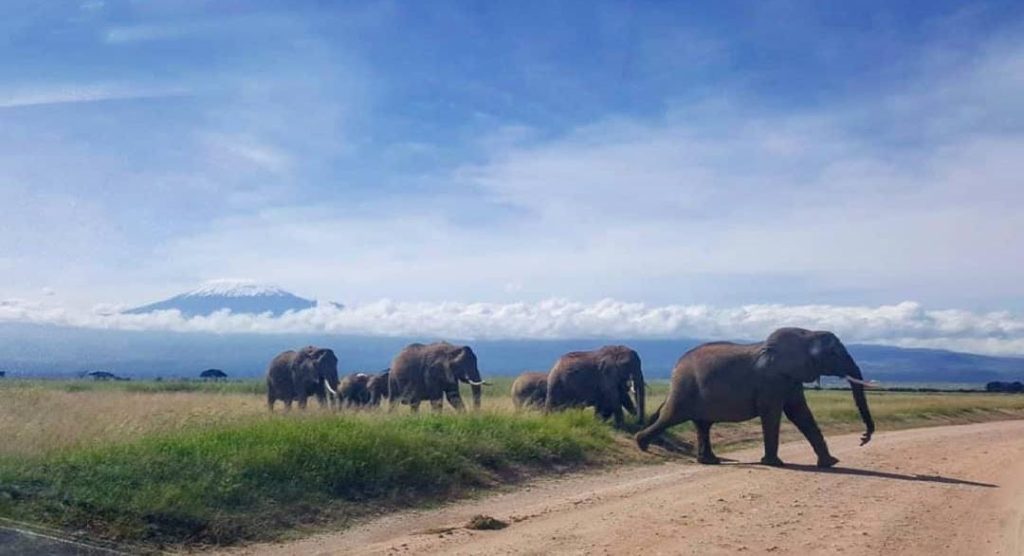
The Ultimate Guide to Your East Africa Photography Safari
East Africa photography safari gives one an opportunity to capture Africa’s iconic wildlife. From framing dramatic big cat hunting sequences in the Maasai Mara to capturing the endless, predator-filled horizons of the Serengeti National Park, bringing home portfolio-worthy images requires meticulous preparation.
While choosing the right camera gear is essential, capturing elite wildlife imagery comes down to understanding how your equipment interacts with extreme savanna dust, unpredictable animal behaviors, and rapidly shifting equatorial light.
At Saunterland Africa Tours, our team of local guides and African travel experts has spent years navigating these exact terrains. We know precisely how fast a hunting leopard moves through the brush, how fine dust impacts mirrorless sensors, and how the rich African sun changes exposure values. This definitive guide is engineered to help you pack, protect, and master your gear on a custom cross-border East Africa photography safari.
Camera Bodies for an East Africa Photography Safari
Always pack two camera bodies—a primary body and a reliable backup. Wildlife encounters happen fast in East Africa, and swapping lenses in the middle of a dusty game drive can ruin your camera sensor or cause you to miss a once-in-a-lifetime action sequence.
Why Two Camera Bodies Matter on Safari
On a custom cross-border circuit, the landscape and wildlife action shift instantly. Having two camera bodies ready at your side allows you to:
-
- Keep a long telephoto lens primed for distant, high-stakes wildlife action.
- Keep a mid-range lens mounted on your second body for sudden, close-up vehicle encounters or sweeping landscapes.
- Completely eliminate the need to swap lenses in the field, keeping your camera sensors protected from fine dust.
When exploring back-to-back wildlife havens like the Serengeti and Ngorongoro Crater, a lion pride might be lounging right by your tires while an elephant herd marches across a distant ridge. Instant access to two different focal lengths is non-negotiable.
Full-Frame vs. APS-C for Your Photo Tour
Both formats deliver incredible results on the African plains, but they serve different visual purposes:
-
- Full-Frame Advantages: Delivers unmatched low-light performance for dawn and dusk game drives, massive dynamic range under harsh midday sun, and clean, high-resolution files perfect for large portfolio prints.
- APS-C (Crop) Advantages: The built-in crop factor (typically 1.5x or 1.6x) instantly extends the reach of your telephoto lenses, making distant animals appear closer. They are also lighter and highly cost-effective as a secondary backup body.
Pro Tip: Many of our seasoned photographers choose to carry a full-frame mirrorless camera as their primary body and pair it with a lightweight APS-C sensor camera as their backup.
Must-Have Camera Features for Wildlife
When selecting or upgrading your camera body for an East African safari, look for these critical specifications:
-
- Intelligent Autofocus: Advanced tracking systems featuring real-time animal eye-detection.
- High Burst Rates: A minimum capability of 10+ frames per second (fps) to capture split-second hunting action.
- Electronic/Silent Shutter: Crucial for silencing your gear so you don’t startle sensitive wildlife during intimate, close-up viewings.
- Weather-Sealed Construction: High-grade rubber gaskets and sealing to keep out relentless savanna dust.
- Dual Memory Card Slots: Provides instant, automated backups to a second card while you shoot.
Top Gear Setups for an East Africa Photography Safari
To take the guesswork out of packing, here are the exact camera and lens combinations that consistently deliver page-one, portfolio-quality results on our safaris:
Sony camera Wildlife Safari Configurations
-
- Primary Body: Sony Alpha 7 IV or Alpha 1 (for ultra-fast animal eye autofocus tracking).
- Telephoto Lens: Sony FE 200-600mm f/5.6-6.3 G OSS (unmatched reach for birding and distant predators).
- Mid-Range Lens: Sony FE 24-70mm f/2.8 GM II (perfect for landscapes, camp life, and cultural storytelling).

Canon camera Wildlife Safari Configurations
-
- Primary Body: Canon EOS R6 Mark II or EOS R5 (excellent low-light performance and image stabilization).
- Telephoto Lens: Canon RF 100-500mm f/4.5-7.1 L IS USM (incredibly sharp, lightweight, and versatile).
- Mid-Range Lens: Canon RF 24-105mm f/4 L IS USM (a flexible walk-around lens for close-up encounters).

Nikon camera Wildlife Safari Configurations
-
- Primary Body: Nikon Z6 III or Nikon Z8 (industry-leading weather sealing and blistering burst speeds).
- Telephoto Lens: Nikon Z 180-600mm f/5.6-6.3 VR or Nikkor Z 400mm f/4.5 VR S.
- Mid-Range Lens: Nikon Z 24-70mm f/2.8 S (crisp edge-to-edge sharpness for wide-angle savanna landscapes)

Choosing Lenses for Your East Africa Photography Safari
A high-quality 100–400mm or 200–600mm zoom lens is your ultimate safari workhorse. Complement this telephoto power with a flexible mid-range zoom lens to capture grand African landscapes, rich cultural tours, and lodge memories.
Telephoto Lenses: Your Wildlife Workhorse
Telephoto zooms grant you incredible visual access without disturbing the natural behaviors of the animals. Our top recommendations include:
- 100–400mm Zoom Lens: The most versatile lens for an African safari, offering an excellent balance of close-up wildlife framing and medium-range environmental portraits.
-
-

Canon RF 100-400mm f/5.6-8 IS USM 200–600mm / 150–600mm Zoom Lens: The absolute best choice for birding enthusiasts or tracking distant predators across wide plains.
- 300mm or 400mm Prime Lens: Offers professional-grade sharpness and wide apertures (like f/2.8 or f/4), though it lacks the fast framing flexibility of a traditional zoom lens.
-
Mid-Range Zooms for Landscape Storytelling
Don’t get so focused on distant animals that you forget to document the full story of your journey. Keep a shorter zoom handy for landscapes, lodge spaces, and community visits:
-
- 24–70mm f/2.8: The gold standard for low-light camp storytelling, dramatic sunset silhouettes, and crisp portraits.
- 24–105mm f/4: A highly flexible, lightweight walk-around lens that covers everything from wide caldera views in Ngorongoro to eye-level shots during walking safaris at Lake Naivasha.
Managing Memory Cards and Storage in the Bush
Pack far more storage than you think you will need, and back up your files every single evening. Photos lost in the bush cannot be replaced.
The Ultimate Storage Setup
-
- High-Speed Cards: Multiple 128GB or 256GB cards with rapid write speeds to prevent your camera buffer from locking up during fast action bursts.
- Rugged External SSDs: Bring a minimum of 1TB–2TB of shockproof, dust-resistant external storage (such as the SanDisk Extreme Portable SSD).
- Compact Laptop or Tablet: Essential for organizing, reviewing, and transferring your daily media files before bed.
Power and Battery Essentials for Remote Safaris
Plan to carry 3 to 4 fully charged batteries per camera body into the field daily. The cool African mornings and intensive autofocus tracking will drain your power surprisingly fast.
While our top-tier, custom Saunterland 4×4 Safari Land Cruisers feature built-in power inverters and multi-port charging stations to top off your gear while on the move, it remains standard best practice to head into the bush with ample independent power. Always carry a high-capacity power bank and a multi-slot battery charger for your room at night.
Vehicle Camera Support: Maximizing Your Land Cruiser Setup
Leave your traditional tripods packed away for the evening—a sturdy bean bag is the ultimate vehicle stabilizer.
Traditional tripods are bulky and functionally impossible to deploy inside a moving vehicle. A professional bean bag rests perfectly along our Land Cruiser’s open window ledges or overhead roof hatches, securely cradling heavy telephoto glass.
At Saunterland Africa Tours, we provide heavy-duty bean bags inside our photography-optimized vehicles upon request to guarantee your long-lens shots remain perfectly crisp.
Protecting Your Camera Gear from Savanna Dust
Fine, swirling dust is a far greater daily threat to your digital gear than rain.
When driving through dry areas like the Maasai Mara or Tarangire, keep a specialized camera rain/dust cover wrapped over your lens setup. Store your secondary camera inside a padded, zipped camera backpack when the vehicle is moving fast, and always use a rocket blower and microfiber cleaning kit to clean your front lens elements during safari breaks.
Optimal Camera Settings for Fast-Paced Safari Action
Wildlife opportunities appear without warning. To ensure your camera is always primed for sudden movement, use these baseline settings:
-
- Exposure Mode: Aperture Priority (A/Av) or Manual Mode (M) paired with Auto ISO.
- Shutter Speed: 1/1000s or faster to cleanly freeze moving predators, running herds, or birds taking flight.
- Aperture: f/5.6 to f/8 for maximum lens sharpness and manageable depth of field on long zooms.
- Autofocus Mode: Continuous AF (AI Servo / C-AF) matched with dynamic zone or animal tracking modes.
Traveling with Gear: Essential International Fly-In Tips
When booking flights out of major international hubs, always pack your camera bodies, lenses, and lithium-ion batteries into your carry-on luggage.
Never check expensive camera gear or loose batteries into the aircraft cargo hold. Choose a soft-sided, overhead-compliant camera backpack that comfortably distributes weight across your shoulders for seamless airport transfers.
Final Checklist for Your East Africa Photography Safari
Before closing your bags for your upcoming adventure, double-check that you have packed these core essentials:
-
- 2 Camera Bodies (Primary + Backup)
- 100–400mm or 200–600mm Telephoto Zoom Lens
- 24–70mm or 24–105mm Mid-Range Zoom Lens
- 3–4 Batteries per camera body + charging stations
- High-speed memory cards and an external SSD
- Protective dust covers and an air blower kit
- Neutral-colored safari clothing (khakis, greens, and tans)
Book Your Custom East Africa Photography Safari Today
Africa rewards the prepared photographer. When you pair the right camera gear with the unmatched field expertise of our local, eagle-eyed guides, your East African journey will transform into a striking visual legacy.
Our customized 4×4 safari vehicles feature wide drop-down windows and 360-degree overhead roof hatches engineered specifically for seamless camera panning, ensuring you never miss a split-second wildlife event.
Ready to design your private, photography-friendly dream itinerary? Check out our premier Kenya Safari Packages and Tanzania Tour Packages online, or contact Saunterland Africa Tours today to tailor-make your bespoke cross-border circuit under the beautiful African skies!
- Headquarters: Nairobi, Kenya
- Email: info@saunterlandtours.com
- Phone: +254 720 011650
- Website: saunterlandtours.com