

持续时间 7天6晚
价格: $ 3050 pps

坦桑尼亚的狩猎之旅提供绝佳的观赏体验,以壮观的雪峰、火山口和无边无际的马赛草原为背景,从塞伦盖蒂大迁徙到更远的公园。坦桑尼亚以其丰富的野生动物而闻名。沿着这场大迁徙的路线,有几种大型猫科动物,以及每年穿越草原的大群角马、斑马和汤普森瞪羚。很少有国家能与坦桑尼亚的自然美景和文化底蕴相媲美,它将恩戈罗恩戈罗火山口、乞力马扎罗山、桑给巴尔和塞伦盖蒂融为一体。坦桑尼亚是非洲语言最多的国家,拥有 100 多种语言,但坦桑尼亚的官方语言是英语和斯瓦希里语。它是非洲最高点和最低点的所在地。最高峰是乞力马扎罗山的山峰,而最低点是坦噶尼喀湖的湖底。不要错过参观桑给巴尔这个充满异国情调的香料岛,感受历史悠久的石头城的香气和建筑风格。




坦桑尼亚最棒的野生动物园景点有哪些?
坦桑尼亚有各种各样的景点,包括野生动物区、城市、沿海海滩和传统社区。
塞伦盖蒂是坦桑尼亚顶级的野生动物保护区之一,也是联合国教科文组织世界遗产。您可以亲眼目睹野生动物的壮丽迁徙:成群的斑马和角马蜿蜒穿越马拉河和无边无际的草原,寻找草场和淡水。这座坦桑尼亚最著名、最古老的公园,可以近距离观赏狮子、豹子、大象、水牛、长颈鹿、瞪羚以及濒临灭绝的东部黑犀牛。河里鳄鱼和河马成群结队,数百种鸟类在头顶翱翔。塞伦盖蒂永远不会让您感到无聊。
住在哪里
The Ngorongoro Conservation Area, sometimes known as Africa’s “eighth wonder of the world,” is a 100-square-mile volcanic crater that offers amazing opportunities for wildlife viewing. The “Big Five,” as well as a number of bird species, including egrets and ostriches, call this fertile valley in northern Tanzania, which is surrounded by the high walls of the crater, home. Safari visitors can see vervet monkeys, waterbucks, and huge tusker bull elephants in the Lerai Forest. A sight that will stay in your memory forever is the transformation of Lake Magadi into a stunning environment during the rainy season, complete with thousands of migrating flamingos. The crater rim offers breathtaking views of ethereal blue-green landscapes and a world of wildlife wonderment below. Due to the crater’s protective qualities, it has developed its own ecology, making for a memorable and exceptional safari experience. While traveling through its lush grasslands, one will see a thriving population of elephants, some of the oldest tuskers in Africa, black-maned lions, zebra, wildebeest, and rhinos, including the endangered black rhino. If you’re fortunate, you might cross the Big 5 off your bucket list!
住在哪里
Lake Manyara National Park is a must-visit safari location because of its vast herds of elephants, trooping baboons, tree-climbing lions, and millions of pink flamingos. Despite being small in size, the park has a lot to offer. Throughout the large shallow lake, pink-backed pelicans, Marabou storks, and grey herons can be seen feeding.
住在哪里
The second-highest number of animals are found in Tarangire National Park than in any other park in Tanzania. Large numbers of elephants can be found around the Tarangire River during the height of the dry season. Along with zebras, wildebeest, buffalo, and giraffes, this colorful reserve is home to lions, leopards, and cheetahs, which will enthrall tourists. Towering baobab trees dotting the green savannah add to the surreal appearance of the surroundings.
住在哪里
The 650 square mile Kilimanjaro National Park, which is 190 miles south of the equator and close to the Tanzanian city of Moshi, contains the snow-capped Mount Kilimanjaro and the surrounding mountain forest. Africa’s tallest mountain, known as the 19,340-foot Kili, is one of the world’s most magnificent landscapes. It was attempted by more than 65,000 foreign tourists in 2019, and the number is rising. Before reaching the twin summits of Kibo and Mawenzi, the mountain itself rises from expansive farmlands on its lower slopes to lush rainforest and alpine meadows.The park is home to a wide range of wildlife, including Cape buffalo, leopards, blue monkeys, eastern black and white colobus, and bushbabies in the montane forest, moorland, and grassland, as well as tree hyrax, gray and red duiker, and bushbuck above the timberline. Elephants can occasionally be seen at higher altitudes as they travel between the Namwai and Tarakia rivers. For sightseers, the best view of Mount Kilimanjaro is actually from Amboseli National Park in Kenya, however, in order to access the mountain and the surrounding activities, one needs to be in Tanzania, the gateway to Kilimanjaro.
住在哪里
Arusha National Park is one of the most beautiful and varied protected areas in Tanzania. The park is the most accessible national park in Tanzania. There are only 552 square kilometers in the park. Mount Meru dominates the park. The fourth tallest peak in Africa, it is located at a 4566m elevation.The most well-known national parks in Africa may be seen from Mount Meru’s 300-kilometer axis. It is situated in an important area. The park is surrounded by grassland to the west, Ngurdoto crater to the south, and Mount Meru to the east. A feeding area for rare wading species, the park is also flanked by shallow momela lakes in the northeast. Despite the small size of the park, common animals include giraffe, Cape buffalo, zebra, warthog, the black-and-white colobus monkey, the blue monkey, flamingo, elephant, bushbuck and many other African animals. Leopard populations are present, but rarely seen.
住在哪里
One of the few remaining areas in Africa where tribal life is mostly unaffected by local development is Lake Eyasi. One of the remaining survivors of old African tribal life, the Hadzabe have lived at Lake Eyasi for a long time and continue to hunt and gather. Visitors get a one-of-a-kind and memorable peek into an old civilization when they travel to the Hadzabe lands. Our visitors are welcome to spend the night in these tribal territories so they may witness firsthand how these www.saunterlandtours.com people manage to hunt and gather food in spite of Tanzania’s ongoing development. The experience includes traditional dance performances, honey collecting, and early morning hunting displays. The Hadzabe live in caves and they don’t wear clothes per se; they prefer wearing small bits of animal skin to cover their private parts. A visit to their community is a cultural experience not to be missed, and it all happens against the backdrop of beautiful Lake Eyasi.
住在哪里
The Selous Game Reserve, which has an area of 54,600 square kilometers and is made up of a huge wilderness with forests, grassy plains, mountains, and open woodlands, is the largest protected wildlife reserve on the African continent. In honor of the legendary hunter and explorer Frederick Selous Courtney, this reserve bears his name. The UNESCO designated this reserve, which was founded in 1922 and has a diverse range of animals, as a world heritage site in 1982. To honor President Julius Nyerere, the country of Tanzania’s first president, the Tanzanian National Park Authority (TANAPA) suggested and announced in 2019 that the northern portion of this reserve would now be called as The Nyerere National Park. Nyerere National Park’s boundaries are now being fully set, although sources indicate that they will likely include the reserve’s photographic sector in the north and extend all the way to the River Rufiji wilderness region in the south. This national reserve is home to a variety of wildlife mammals, including about 145,000 buffalo, 4,000 lions, 100,000 wildebeests, large herds of giraffes, 35,000 zebras, 40.000 hippos, 250,000 impalas, as well as plenty of waterbucks, elands, and bushbucks, as well as leopards, crocodiles, and hyenas. Additionally, the puku antelope, African wild dogs, and sable antelope may all be found in this sanctuary, which is one of the few on the African continent.
住在哪里
Mikumi National Park is located to the west of Dar es Salaam and is a straightforward fourhour journey from the city thanks to its location on the main Mororgoro and Iringa road.Mikumi National Park is a popular choice for visitors from Dar es Salaam due to its proximity to the city and the abundance of wildlife that resides there. Mikumi is particularly beautiful in the early morning and late afternoon when the panoramic views are enhanced by the light and the park’s wildlife is at its most active. The Kisingura Circuit, Hippo Pools, and Vuma Hill are among the best places to go on a game drive. The most popular area of the park, the Mkata Floodplain, is frequently compared to the more well-known Serengeti plains because of its expansive vistas and profusion of wildlife. The Mkata Floodplain, which is crisscrossed by a good network of highways, is likely Tanzania’s best bet for seeing eland, the largest antelope in the world. The foothills of the mountains that border the parks are covered in miombo (mainly brachystegia trees), which is home to greater kudu and sable antelope. Giant www.saunterlandtours.com Baobabs, particularly one in the park’s south that is regarded as the biggest in the region, are other trees that can be found there and should not be missed. The park and the waterways are covered in Hyphaene and Borassus palms. Lions, giraffe, zebra, impala and huge buffalo herds live on the open grass plains, the woodlands and rocky outcrops. Mikumi is also known for the ebony trees (used to make woodwind instruments such as clarinets) which grow in abundance. During the dry season the best wildlife viewing is around the waterholes not only for the herbivores but also their predators – lions and leopards. In addition to the animals Mikumi over 300 species of birds have been recorded in the park. Eurasion migrants flock to the park from October to April to join the park‟s resident inhabitants.
住在哪里
Tanzania’s southern region contains the stunning Udzungwa Mountains National Park. Its diverse environments include grasslands, steppes, mountain and miombo forests, and tropical rainforests. There are thousands of plant species, more than 400 kinds of birds, and six species of monkeys, including the endangered Sanje crested mangabey and Iringa red colobus. Only in this area can one find these two varieties. Of all the national parks in Africa, the Udzungwa national park boasts the second-highest biodiversity. As a bird lover you will be drawn to Udzungwa Mountains National Park for its abundance of birds, which includes more than 400 species. Bird-watchers regard the area among the top three African mainland bird conservation areas.Some of the bird species in Udzungwa include the African marabou, Crowned eagle, Ruppells vulture and the African hobby. Scientists discovered the Francolin and Rufous-winged Sunbird only in the last few years. It also hold species such as Dappled mountain-robin, Sharpe‟s akalat, Olive-flanked robin-chat and White-chested alethe. The Udzungwa forest partridge was only discovered in 1991 and is a species, with its closest relatives appearing to be the hill partridges of Asia. A fascinating national park to see when on a safari in Tanzania!
住在哪里
Saadani National Park is a 1100 km2 area in the middle of the ancient triangle formed by Bagamoyo, Pangani, and Zanzibar. It is the only wildlife refuge in Tanzania with a coastline. The weather is hot and muggy at the coast. It offers a distinctive fusion of both marine and landbased flora and fauna in an intriguing cultural environment. Along with a great number of reptiles and birds, there are about 30 species of bigger mammals. There is an abundance of wild mammals like waterbuck, giraffe, warthog, yellow baboon, hartebeest, wildebeest, zebra, elephant and lion. Along with numerous fish species (over 40), the neighboring ocean is home to green turtles, humpback whales, and dolphins. Explore the wonders of the famous Wami River on a boat safari, a paradise for bird lovers and nature lovers. The Wami River is an example of overwhelming natural beauty, full of birds and wildlife. The boat safari starts right from your lodge, as there are many hippos in front of the suites, and takes you from there to the www.saunterlandtours.com river mouth. Along the way you see groups of hippos, many crocodiles, osprey, colobus monkeys and dozens of bird species. No trip on the Wami is ever the same. You can also visit Mafui sand bank Island that opens during the day and closes in the evening, a sand bank where you snorkel in the caves with colorful fish and green turtles. A place where lunch and sun bathing gives maximum relaxation.
住在哪里
Gombe Stream, Tanzania’s smallest national park, is located on the eastern coast of Lake Tanganyika and covers slightly over 14 square miles. It is one of just three locations in Tanzania where you can view chimpanzees. The park’s varied topography is divided by steep valleys, rivers, and streams of water and includes huge grasslands, dense woodlands, and tropical rain forest. Jane Goodall famously accomplished the majority of her groundbreaking chimpanzee studies at this location. The local primatologist spent several years studying the endangered chimpanzees’ behavior in Gombe.It’s possible to trek to view chimpanzees up close in their native forest habitat because many of the chimpanzee units in this area have been habituated (made accustomed to humans) by Jane Goodall. Along with chimpanzees, numerous uncommon primates can be found in Gombe. There are olive baboons, red colobus, red-tailed monkeys, blue monkeys, and vervet monkeys. Birds, butterflies, and a wide variety of rare forest flora can be spotted during forest walks and chimpanzee treks. There are no large predators in Gombe Stream, apart from the occasional leopard sighting
住在哪里
The Mahale Mountains National Park is situated on the eastern shores of Lake Tanganyika in remote western Tanzania. It’s spectacularly beautiful, with the backdrop of the Mahale Mountains and lush, tropical flora. The main attraction is walking safaris to observe the chimpanzees who live here. They share their forest paradise with a range of other primates, mammals and beautiful birds. Overlooked by the Mahale Mountains which run across the park, it is lush, green and hilly. Most of the park is miombo woodland, with Kasoge forest, riverine forest, montane forest and montane grassland in some areas. This provides ample habitat for the array of creatures who call Mahale home. There are many other animals that live in the forests of Mahale. These include Colobus monkey, squirrel, porcupine and mongoose. On the more open savannahs, African favourites such as lion, giraffe and zebra roam amongst a wide range of antelope. In the lake an array of fish swim, including a number of species that are unique to Tanganyika, making for fabulous snorkeling.
住在哪里
Katavi National Park, located in the south western area of Tanzania, is the third largest park in the country covering an area of 4,471 sq kms (1,727 sq miles). It is considered by the few who have visited to be one of the most untouched pristine areas of the country with the greatest biodensity of wildlife. Katavi is one of the last great African wildernesses with hugely varied terrain and the wildlife less used to tourist vehicles than in the more frequented parks. The bulk of Katavi is the hypnotically featureless cover of brachystegia woodland home to substantial numbers of eland, sable and roan antelopes. The park‟s main features are the watery grass plains to the north, the palm-fringed lake Chada in the southeast and the Katuma River. It is during the dry season Katavi truly comes into its own between May and October and December to February. Tanzania‟s greatest populations of both crocodile and hippopotamus are to be found here. During the dry season up to 200 hippos might flop together in any riverine pool of sufficient depth. The giant crocodile are found sleeping in the caves on the banks of the rivers. Giraffe, topi, zebra and other herbivores gather in great numbers along the watercourses. A kaleidoscope of birds flit across the riverbanks swamps and palm groves while flotillas of pelican cruise the lakes. Elephant graze waist-deep in the marshlands. Lion and leopard find prey among the huge populations of herbivores. But most spectacular of all are the vast herds of 1,000 plus buffalo seldom seen elsewhere in Africa.Additionally, the rare, honey-coloured puku antelope is one of the park‟s richest wildlife viewing rewards. The name of the park immortalizes a legendary hunter, Katabi, whose spirit is believed to possess a tamarind tree and today the base of the tree is ringed with offerings from locals begging his blessings. Katavi sees relatively few visitors, meaning that those guests who arrive here can look forward to having this huge untouched wilderness to themselves.
住在哪里
Zanzibar has crystal-clear waters and beautiful beaches. The island offers opportunities for leisure, discovery, and cultural encounters. Enjoy its beautiful beaches, sunset dhow cruises, diving adventures, and poolside beverages. Zanzibar, an island off the coast of Tanzania, is the ideal location for a beach vacation. The archipelago of Zanzibar has a long and fascinating history. Adventurers, romantics, and historians all enjoy exploring Stone Town’s cobblestone lanes. Wander the city’s streets while being enthralled by its history, forts, museums, and vibrant bazaars. Quality seafood and traditional meals are a treat, and a spice tour, cooking class, or trip to the food market will satiate your appetite. Put a safari blue experience in your bucket list (an excursion that includes guided snorkelling, dhow sailing, sandbank stop, swimming in a mangrove lagoon, a delicious seafood buffet lunch etc)
住在哪里
Tanzania’s coast, close to the equator, is where Dar es Salaam is located. It should therefore come as no surprise that the stunning beaches are a major lure for both residents and tourists. There are several possibilities nearby, even though many people choose to travel to the island of Zanzibar for their beach vacation. This sleepy fishing village, affectionately referred to as “Dar,” has transformed into a booming city. Your interpretative, privately guided tour will take you to the city’s major sights, including the bustling Dar es Salaam fish market, where dhows dock early in the morning to unload the previous night’s delectable catch. At dusk, clusters of Dar es Salaam street food carts serving delectable Indian cuisine emerge. Stroll through the pungently spicy India Street, where the flavors of the East are a feast for the senses. The base ingredients for every tempting Indian street food snack are bright red tomatoes, raw onions, green chilies, and fresh coriander. View the magnificent St. Joseph’s Metropolitan Cathedral and the Greek Orthodox Church, as well as the old Central Railway Station. Explore a classic souk (bazaar), which is bustling with people day and night. In this exhilarating and kaleidoscope swarm of brilliant colors, textured textiles, local cuisine, and hand-embellished souvenirs, you can discover almost everything. A stunning selection of traditional African sculptures and crafts can be found at the Mwenge Carver’s Market before visiting the National Museum and the outdoor Village Museum.
住在哪里
June to August is the best time for a safari in Tanzania. The spectacular Mara River crossing occurs June-July and drier weather means more wildlife around waterholes. That said, the Great Migration swirls around the Serengeti outside these months; you just have to follow its course. June-August is cooler too – ideal months for avoiding the harsh heat. January-February brings fewer vehicles and greener landscapes after the short rains. You‟ll see baby wildebeest… and more predators. Heavy rain showers in March and May can cause travel disruption and many lodges in the remote south close. Mount Kilimanjaro is icy year-round, while the coast is warm – head here to thaw out
Tanzania has the largest animal population density of any country in the world. There are more animals per square mile of land in Tanzania than anywhere else. Tanzania has a huge variety of animals. Its fields, wetlands, and forests are home to; 430 mammalian species, the coastal nation is home to 60,000 African savannah elephants and about 200 black rhinos. It is also home to cheetahs, leopards, lions, and the rather elusive golden cat. Herbivores which roam its plains include buffaloes, elands, gazelles, wildebeests, and zebras. There are around 1,112 bird species: some of the most popular bird species include albatrosses, black eagles, bustards, cranes, flamingoes, grebes, jacanas, ostriches, oystercatchers, plovers, sandpipers, and www.saunterlandtours.com secretary birds. Tanzania is also home to 60,000 insect species, 100 snake species as well as hundreds of fish, reptiles, and amphibians.
If you are booking a road safari in Tanzania, a 6 seater a closed-sided pop up roof 4×4 safari landcruiser is the best option.
一般来说,每天的游猎活动都遵循一个典型模式。活动主要是乘坐顶篷游猎车驱赶猎物。在某些目的地,您可能会在导游的带领下进行徒步旅行。清晨,在日出时或日出刚过时开始第一次驾驶/活动之前,先享用一顿丰盛的早餐。此时天色尚凉,动物最为活跃,是观赏野生动物的绝佳时机。通常情况下,根据游猎目的地的不同,您可以选择全天驱车游猎,或者将驱车游猎分为早晚两段。客人一般会在营地/旅舍休息一天。这是因为在炎热的白天,动物们并不活跃,而是在树荫下躲避。客人们吃过午餐后,可以享用营地或旅舍的设施(休息室/吊床/游泳池等),有些旅舍还提供短途步行或参观藏身处的服务。第二项主要活动将在傍晚进行,也许会在一个风景点观赏日落(取决于野生动物园的目的地)。客人随后返回营地/旅舍,享用饮料和晚餐。
Zanzibar is the name of a group of islands in the Indian Ocean. About 25–50 km off the coast of East Africa. Zanzibar is not a country. It’s a partly self-governing state in Tanzania; it’s not an independent country. The archipelago was once the separate state of Zanzibar, which united with Tanganyika to form the United Republic of Tanzania. Zanzibar is a semi-autonomous within the union, with its own government. You do not need a separate visa for Zanzibar if you already have one for Tanzania.
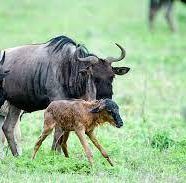
The Great Migration is the largest herd movement of animals on the planet. In fact, with up to 1,000 animals per km², the great columns of wildebeest can be seen from space. The numbers are astonishing: over 1.2 million wildebeest and 300,000 zebra along with topi and other gazelle move in a constant cycle through the Serengeti-Mara ecosystem in search of nutritious grass and water. Guided by survival instinct, each wildebeest will cover 800 to 1,000km on its individual journey along age-old migration routes. Hungry predators including lion, leopard, cheetah, hyena, wild dog and crocs make sure only the strongest survive in this natural spectacle also known as „the greatest show on Earth.
The circuit takes the animals from Tanzania’s southern Serengeti, the Ngorongoro Conservation Area (though not into the Crater itself), across the Serengeti, across into Kenya’s Masai Mara, and back again. The trek is fraught with peril: crocodiles take their fair share of the stragglers, newborn calves are stolen by predators, the slow are brought down by lion prides, daring animals break legs on steep river slopes, and the weak and exhausted drown.
Below is the circuit of the great migration:
Visit the Immigration Services Website (immigration.go.tz)