Maasai Mara Safari Guide: Best Time to Visit, Costs & Where to Stay
这 Maasai Mara safari is one of the most unforgettable wildlife experiences in the world. Located in southwestern Kenya, the Maasai Mara National Reserve forms part of the greater Serengeti–Mara ecosystem and is famous for its vast savannahs, abundant wildlife, and the world-renowned Great Wildebeest Migration.
From dramatic river crossings to close encounters with lions, elephants, cheetahs, and giraffes, this guide explains the best time to visit Maasai Mara, safari costs, where to stay, how to get there, and essential planning tips to help you plan the perfect African safari.
Why Maasai Mara Is One of the Best Safari Destinations in Africa
The Maasai Mara stands out among African safari parks due to its exceptional wildlife density and open landscapes, which make animal sightings frequent and easy to observe.
Unlike dense forests or mountainous reserves, the Mara’s open plains allow visitors to see predators hunting and large herds roaming freely.
It is also one of the best places in the world to witness the Great Wildebeest Migration, where millions of wildebeest and zebras move between the Serengeti and Maasai Mara in search of fresh grazing.
Beyond wildlife, the region offers rich cultural experiences through the Maasai people, known for their traditional lifestyle, colorful attire, and deep connection to the land.
Best Time to Visit Maasai Mara for Safari
Choosing the right time for your Maasai Mara safari depends on whether you want to see the migration, enjoy fewer crowds, or travel on a budget.
July to October: Great Migration & Peak Season
This is the most popular time to visit Maasai Mara.
During these months:
- Wildebeest and zebras cross from the Serengeti
- Dramatic Mara River crossings take place
- Predator activity is at its peak
Pros:
- Best wildlife action
- High chance of Big Five sightings
Cons:
- Higher safari costs
- Lodges book out early
- More vehicles in popular areas
November to March: Green Season & Value Travel
This is the best balance between price and experience.
Highlights include:
- Lush green landscapes
- Fewer tourists
- Excellent birdwatching
- Many newborn animals (especially Jan–Feb)
Pros:
- Lower prices than peak season
- Great photography conditions
Cons:
- Migration herds are mostly absent
April to May: Low Season & Budget Safaris
This is the long rainy season.
Pros:
- Cheapest safari rates
- Very few tourists
- Beautiful green scenery
Cons:
- Muddy roads in some areas
- Some camps may close temporarily
Maasai Mara Safari Costs Explained
The cost of a Maasai Mara safari depends on accommodation type, season, and travel style.
Park Entry Fees
Non-resident park fees are typically around USD 200 per person per day, often included in safari packages.
Average Safari Costs (Per Person Per Day)
Budget Safari
USD 200 – 350
- Basic camps
- Shared game drives
- Simple meals
Mid-Range Safari
USD 350 – 600
- Comfortable tented camps or lodges
- Better service and guiding
- More private experience
Luxury Safari
USD 700 – 1,500+
- High-end lodges in private conservancies
- Private vehicles and guides
- Premium dining and services
Extra Costs to Consider
- Hot air balloon safari over the Mara
- Maasai village cultural visits
- Tips for guides and staff
- Flights to Maasai Mara
Where to Stay in Maasai Mara
Accommodation plays a major role in your safari experience. The Maasai Mara offers everything from budget camps to ultra-luxury safari lodges.
Staying Inside Maasai Mara National Reserve
Lodges inside the reserve offer:
- Quick access to wildlife hotspots
- Early morning and late evening game drives
- Better chances of seeing predators in action
This is ideal during the Great Migration and peak safari periods.
Staying in Private Conservancies
Private conservancies around the Mara offer a more exclusive safari experience.
Benefits include:
- Fewer safari vehicles
- Night game drives (not allowed in the main reserve)
- Walking safaris
- Stronger conservation impact
Major Private Conservancies in Maasai Mara
1. Mara North Conservancy
One of the most established conservancies, known for high predator density and excellent luxury camps. It offers consistent wildlife sightings and well-managed tourism access.
2. Olare Motorogi Conservancy
Famous for exclusivity and strict vehicle limits, making it one of the best places for uncrowded Big Five sightings, especially lions and leopards.
3. Naboisho Conservancy
One of the largest conservancies, known for rich wildlife populations and a strong focus on sustainable tourism and community benefit.
4. Ol Kinyei Conservancy
A quieter and more remote conservancy, ideal for travelers seeking a truly off-the-beaten-path safari experience with very low visitor numbers.
5. Lemek Conservancy
Located close to Mara North, Lemek offers excellent wildlife viewing with a mix of mid-range and luxury camps and relatively fewer tourists.
6. Ol Chorro Conservancy
A smaller conservancy known for exclusivity and access to pristine wilderness areas, often used by high-end safari lodges.
7. Enonkishu Conservancy
Focused heavily on regeneration and community-led conservation, this conservancy blends cattle grazing with wildlife protection models.
8. Maji Moto Conservancy
Located near Loita Hills, it offers a strong cultural experience alongside wildlife viewing, with opportunities to engage with Maasai communities.
9. Siana Conservancy
A less crowded alternative near the Sekenani gate area, offering good wildlife diversity and access to the main reserve.
10. Mara Rianta Conservancy
Known for luxury safari camps and riverine habitats, it provides excellent wildlife photography opportunities and peaceful surroundings.
Maasai Mara Accommodation by Budget
Budget Camps in Maasai Mara
Ideal for backpackers and cost-conscious travelers:
- Basic tented camps with essential amenities
- Shared or simple dining setups
- Focus on game drives over luxury comfort
Mid-Range Lodges & Camps
Best balance of comfort and affordability:
- En-suite tents or cottages
- Good meals and service
- Experienced safari guides
Luxury Safari Lodges
Perfect for honeymooners and premium travelers:
- Spacious suites or luxury tents
- Private decks overlooking wildlife
- Spa services and fine dining
- Private safari vehicles
Wildlife in Maasai Mara
The Maasai Mara is home to over 95 mammal species and 450+ bird species, making it one of Africa’s richest ecosystems.
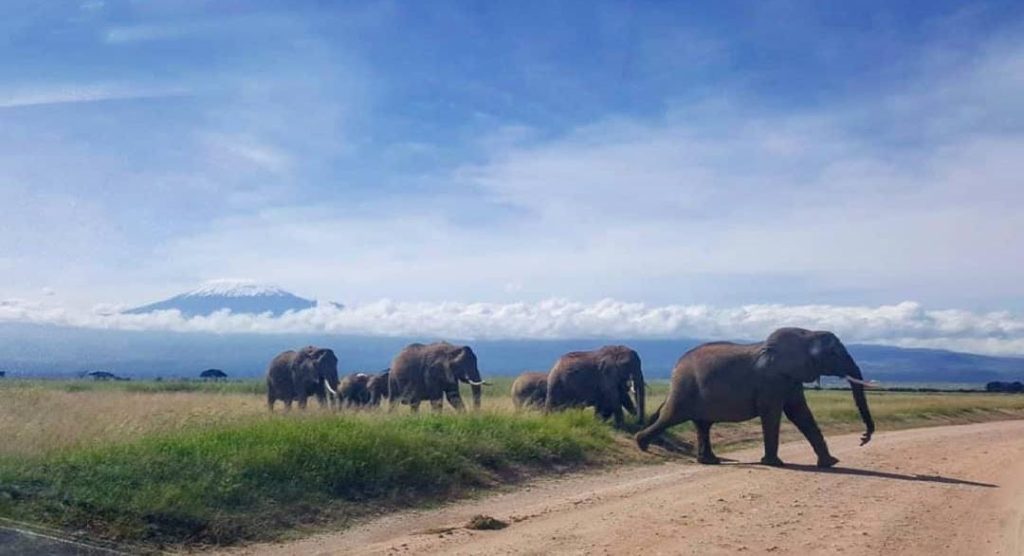
Common sightings include: Lions in large prides,Leopards resting in trees, Cheetahs hunting in open plains, Elephants moving in herds, Hippos and crocodiles in the Mara River
Because of the open terrain, wildlife sightings are often close and long-lasting.
How to Get to Maasai Mara
By Road
- 5–6 hours from Nairobi
- Scenic drive through the Great Rift Valley
- Best for budget and mid-range safaris
By Air
- 45-minute flight from Nairobi (Wilson Airport)
- Faster and more comfortable
- Preferred for luxury safaris
Practical Tips for a Maasai Mara Safari
- Book early during migration season
- Choose experienced safari guides
- Pack neutral-colored clothing
- Respect wildlife viewing distances
- Stay at least 3–5 days for the best experience
FAQs About Maasai Mara Safari
<strong>Is Maasai Mara worth visiting</strong>?
<strong>How many days do you need in Maasai Mara</strong>?
<strong>Can you see the Big Five in Maasai Mara</strong>?
🧡 结语
A Maasai Mara safari is more than a wildlife trip—it is an immersion into one of the most spectacular ecosystems on Earth. Whether you visit during the Great Migration or the quieter green season, the Mara consistently delivers unforgettable wildlife encounters and breathtaking scenery.
With the right timing, budget, and accommodation choice, your Maasai Mara experience can be both comfortable and extraordinary.